
Smart Monitoring Systems for Animal Health Using AI
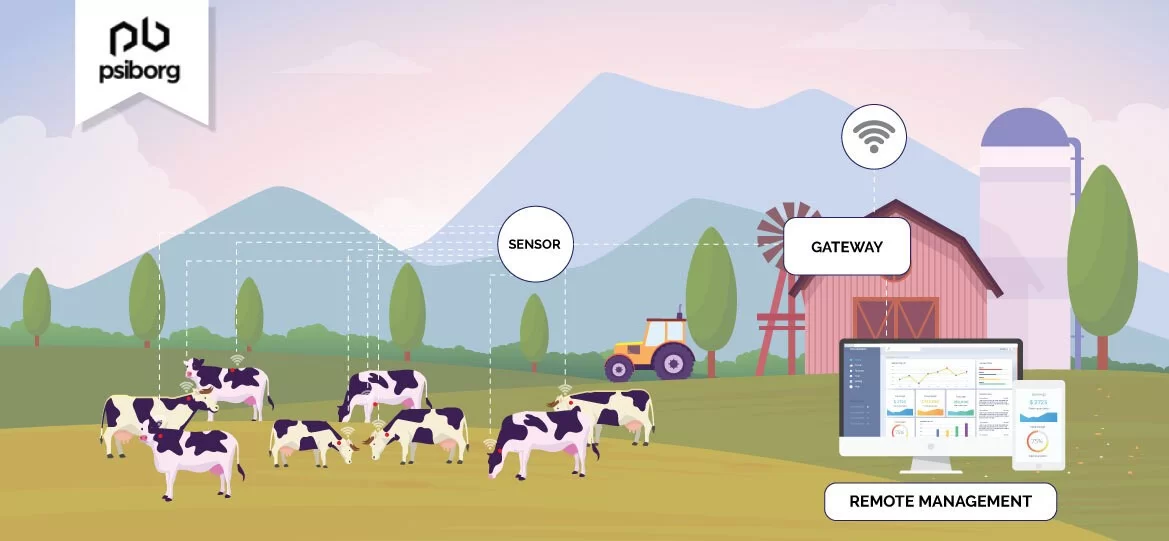
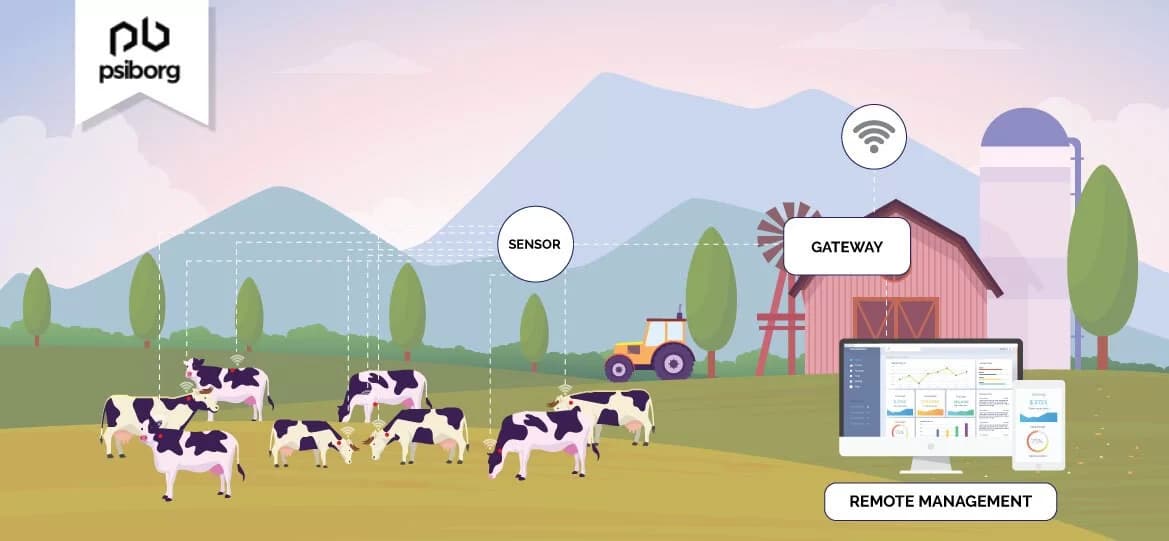
Artificial Intelligence (AI) is transforming many sectors, and animal health management is no exception. Smart monitoring systems powered by AI are helping farmers and veterinarians track the health and behavior of animals more efficiently than ever before. These systems use advanced technologies such as sensors, cameras, and data analytics to continuously monitor livestock and detect early signs of disease or stress.
One of the key features of AI-based monitoring systems is the use of wearable devices and sensors attached to animals. These devices can measure important parameters such as body temperature, heart rate, activity levels, feeding behavior, and movement patterns. The collected data is analyzed using AI algorithms, which can identify abnormal patterns that may indicate illness or discomfort. This allows farmers to take quick action before a health issue becomes severe.
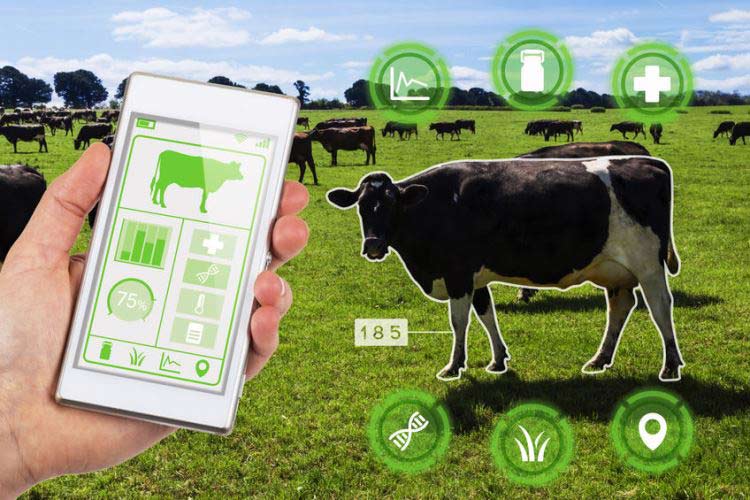
In dairy farming, for example, smart monitoring systems can detect early signs of lameness, mastitis, or reproductive problems in cows. Cameras and AI-powered image analysis can also observe animal posture and behavior to determine whether an animal is healthy or under stress. By providing real-time alerts, these systems enable farmers to respond promptly and improve animal welfare.
AI-based monitoring systems also help improve farm productivity and management. Healthy animals grow better, produce more milk or meat, and require fewer medical treatments. By reducing disease outbreaks and improving early diagnosis, farmers can lower veterinary costs and increase overall farm efficiency.
Animal monitoring
In conclusion, smart monitoring systems using artificial intelligence are revolutionizing animal health management. By combining technology, data analysis, and veterinary knowledge, these systems provide continuous health monitoring and early disease detection. As technology continues to advance, AI-powered tools will play an even greater role in ensuring better animal welfare, improved productivity, and sustainable livestock farming.




