
Industry News 10
Published on 30-01-2026
Agricultural sustainability is no longer optional — it’s essential.
SUSTAINABLE AGRICULTURE: A NECESSITY FOR THE FUTURE OF FARMING
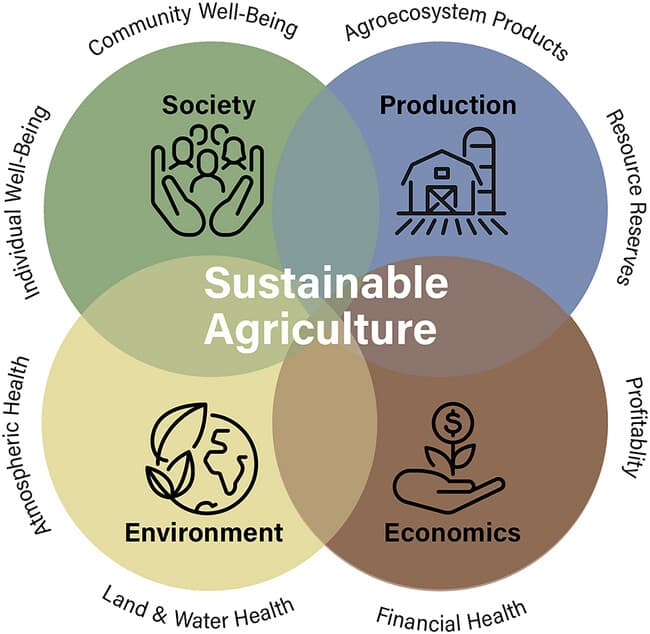
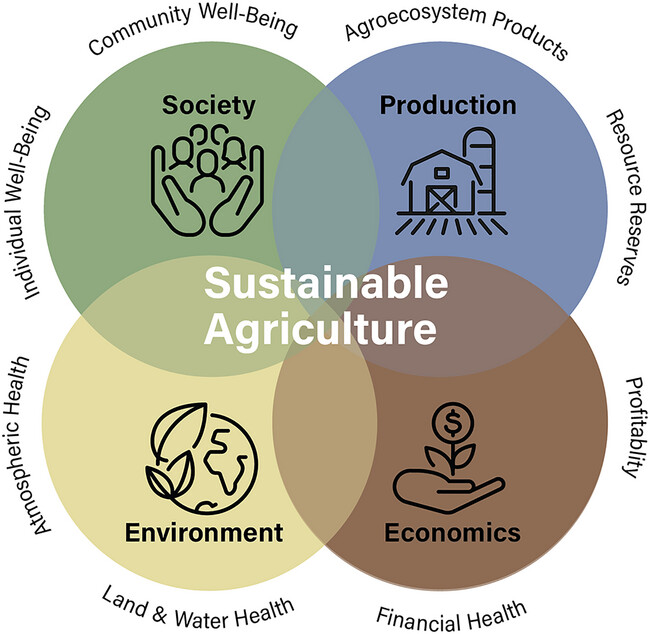
With growing populations, shrinking natural resources, and increasing climate uncertainty, traditional farming practices alone can no longer meet global food demands. Sustainable agriculture focuses on producing enough food today while protecting soil, water, biodiversity, and ecosystems for future generations.
HOW TECHNOLOGY IS TRANSFORMING SUSTAINABLE FARMING
Modern technologies are playing a critical role in this transition. Tools such as precision farming, artificial intelligence, smart irrigation, and climate-based decision systems help farmers reduce waste, optimize inputs, and improve productivity. By using data-driven insights, farmers can apply water, fertilizers, and pesticides only where needed, lowering environmental impact while maintaining profitability.
IMPORTANCE OF SUSTAINABLE AGRICULTURE IN A CHANGING CLIMATE
Sustainability also strengthens farm resilience. Climate-smart practices, diversified cropping systems, and efficient resource management help farmers adapt to extreme weather events and market fluctuations. These approaches not only safeguard livelihoods but also contribute to food security and rural economic stability.
SMART FARMING FOR A SUSTAINABLE FUTURE
As governments, agribusinesses, and research institutions increasingly prioritize sustainable practices, agriculture is evolving into a smarter and more responsible sector. Investing in sustainability is no longer a choice-it is a necessity for ensuring long-term productivity, environmental balance, and a secure food future for the world.
SUSTAINABLE FARMING: BALANCING PRODUCTIVITY AND ENVIRONMENT
In conclusion, agricultural sustainability has become a critical requirement rather than a future goal. By combining responsible farming practices with advanced technologies, the agricultural sector can meet rising food demands while preserving natural resources and protecting the environment. Sustainable agriculture not only enhances productivity and resilience but also ensures long-term food security, economic stability, and ecological balance.




