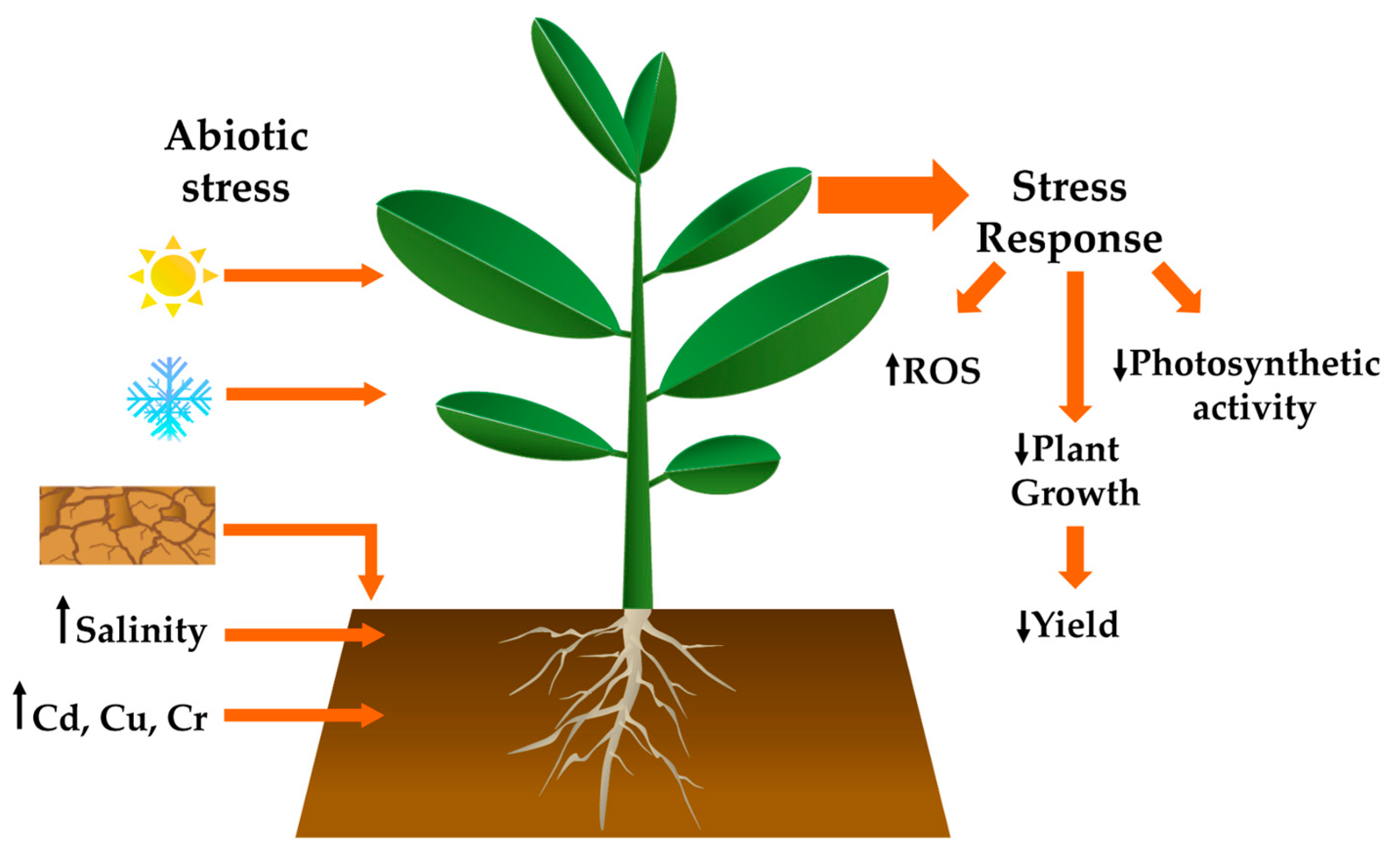
With work on Response to “Selection for Dormancy in the Segregating Generations of Groundnut” at Masters research and “Genetic Analyses of Multiple Stress Resistance in relation to Adaptation in Groundnut” at Doctoral research instilled in me the research interest to work on biotic and abiotic stress resistance. During working in the position of Research Associate at UAS, Dharwad, my research guide gave credit in the groundnut germplasm registration with NBPBR which is known for foliar disease resistance and was used as donor all over India for incorporation of foliar disease resistance in groundnut besides work on genomic selection. Furthermore, a groundnut variety (GPBD 4) is released during 2006 for cultivation in Southern Zone of India is still in the seed production chain of groundnut. An estimated economic benefit of INR 17.60 billion was derived from GPBD 4 for the period spanning from 2006 to 2022 as per the research paper “The scientific and economic impact of the foliar disease-resistant peanut variety GPBD 4” published in the journal of Australian Plant Pathology.
While working in company I concentrated in breeding for YMV resistance in Okra hybrids. Upon joining to the University of Agricultural Sciences, I concentrated working on biotic and abiotic stress resistance in Groundnut, Maize and Soybean. In groundnut, the work on phenotyping of germplasm, segregating material and recombinant inbred population on calcium induced iron chlorosis resulted in identification of efficient groundnut lines and also identification of major quantitative train loci (QTL) associated with iron chlorosis resistance. Besides the inheritance study indicated duplicate dominant genes wherein, the presence of a dominant allele at either of the loci results in iron deficiency chlorosis (IDC) resistance, while duplicate recessive results in IDC susceptibility.
The study on drought tolerance in groundnut has resulted in the release of groundnut variety Dh 256 for the Southern Zone of India. In an effort to study resistance to an important defoliating insect pest of groundnut, Spodoptera litura, in a large number of groundnut genotypes (546), only 29 genotypes belonging to hypogaea, fastigiata and hirsuta botanical varieties under mini core set, 15 transgressive sergeants belonging to fastigiata botanical variety among 318 recombinant inbred lines and three genotypes belonging to hypogaea and fastigiata botanical varieties under elite genotypes showed resistance to Spodoptera litura with less than 10% leaf damage which can be a boon to groundnut breeders working on insect resistance. Further the assessment of groundnut mini core to multiple biotic stresses under hot spot location lead to identification of a potential germplasm ICG 2381 for resistance to late leaf spot, rust and defoliating insect pest, Spodoptera litura. In the pre-breeding front, two groundnut lines ICGIL 17101 and ICGIL 17124 showed resistance to Aspergillus flavus infection.
In the drought tolerance breeding work on Maize, simulated drought stress unraveled differential response and different mechanisms of drought tolerance in newly developed tropical maize inbreds. One of the line PDM 4641 has high amount of tolerance to mid season drought stress and hence a potential inbred for development of drought tolerant hybrids in Maize. The study on drought tolerance has clearly suggested the maize workers to concentrate on different selection strategies for different situations (normal and water stress).
In Soybean, breeding for Asian Soybean rust resistance, an exotic line EC 242104 has been identified which can be used as donor in the rust resistance breeding program of soybean. In the breeding for Asian Soybean Rust and Yellow Vein Mosaic disease resistance, a genotype DLSb 1 has been identified as resistant to both the biotic stresses employing the shuttle breeding program between two hot spot locations viz., Dharwad in southern India (hot spot for soybean rust) and Ludhiana in northern India (hot spot for Yellow Vein Mosaic disease of soybean). In an effort to identify photoperiod insensitive genotype in soybean an advanced breeding line DSb 33-09 was found to be suitable for growing both under rainy season (the normal season) and summer season (off-season). Presently working on marker aided development of trypsin inhibitor null and lipoxygenase null soybean variety suitable for cultivation in Southern Zone of India.
Gopalakrishna Naidu K
Senior Scientist (Plant Breeding), All India Coordinated Research Project on Soybean,
University of Agricultural Sciences, Dharwad – 580 005, Karnataka