
Research Insights 94
Water Conservation Strategies in Agriculture
DESCRIPTION
Water conservation has become a critical aspect of modern agriculture, especially in regions facing irregular rainfall and declining groundwater levels. Efficient use of water not only ensures sustainable crop production but also helps in maintaining soil health and reducing input costs for farmers. With increasing pressure on water resources, adopting smart conservation strategies is no longer optional—it is essential.
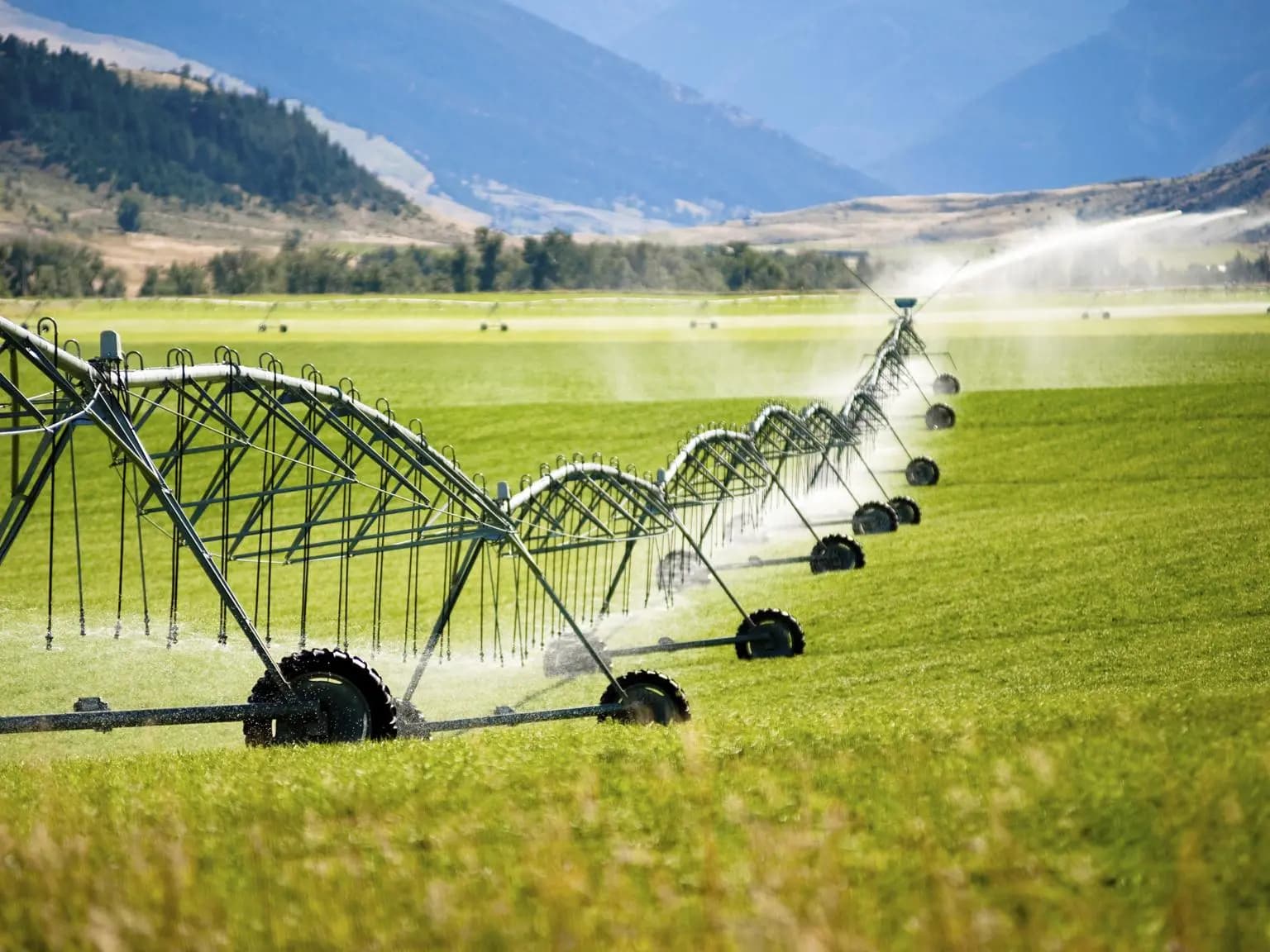
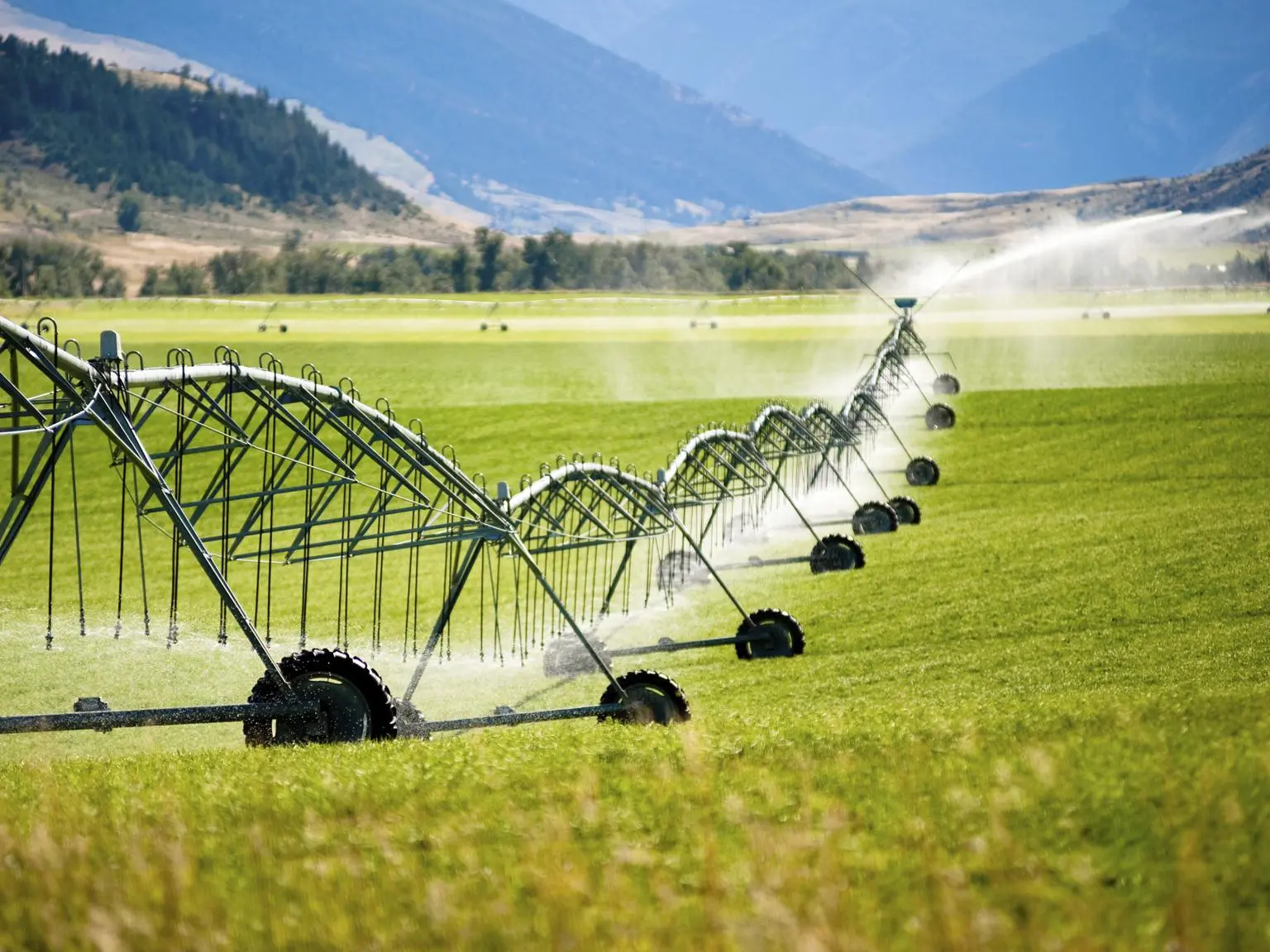
One of the most effective methods of conserving water in agriculture is the use of micro-irrigation systems such as drip and sprinkler irrigation. These systems deliver water directly to the root zone of plants, minimizing evaporation and runoff losses. Drip irrigation, in particular, is highly efficient for crops like vegetables, fruits, and sugarcane, as it provides a controlled amount of moisture exactly where it is needed.
Rainwater harvesting is another valuable strategy that allows farmers to collect and store rainwater for later use. Farm ponds, check dams, and percolation tanks help in capturing excess rainwater, which can then be used during dry periods. This not only reduces dependency on groundwater but also improves water availability throughout the cropping season.
Soil management practices also play a vital role in conserving water. Techniques such as mulching, cover cropping, and conservation tillage help retain soil moisture and reduce evaporation. Organic mulches, like crop residues or straw, act as a protective layer on the soil surface, keeping it cool and moist for a longer duration.
Crop selection and cropping patterns significantly influence water use efficiency. Growing drought-resistant and less water-intensive crops can make a big difference in areas with limited water supply. Additionally, crop rotation and intercropping can improve soil structure and enhance water retention capacity.
Modern technologies are further enhancing water conservation efforts in agriculture. The use of sensors, satellite data, and IoT-based systems allows farmers to monitor soil moisture levels and apply water only when necessary. These precision farming tools help avoid over-irrigation and ensure optimal water use.
@Figure1
In conclusion, water conservation in agriculture requires a combination of traditional knowledge and modern technology. By adopting efficient irrigation methods, improving soil health, and using innovative tools, farmers can significantly reduce water wastage while maintaining high productivity. Sustainable water management is key to securing the future of agriculture and ensuring food security for the growing global population.




