
Research Insights 15
Published on 09-01-2026
Sustainable Soil Health Management
DEFINITION OF SUSTAINABLE SOIL HEALTH MANAGEMENT
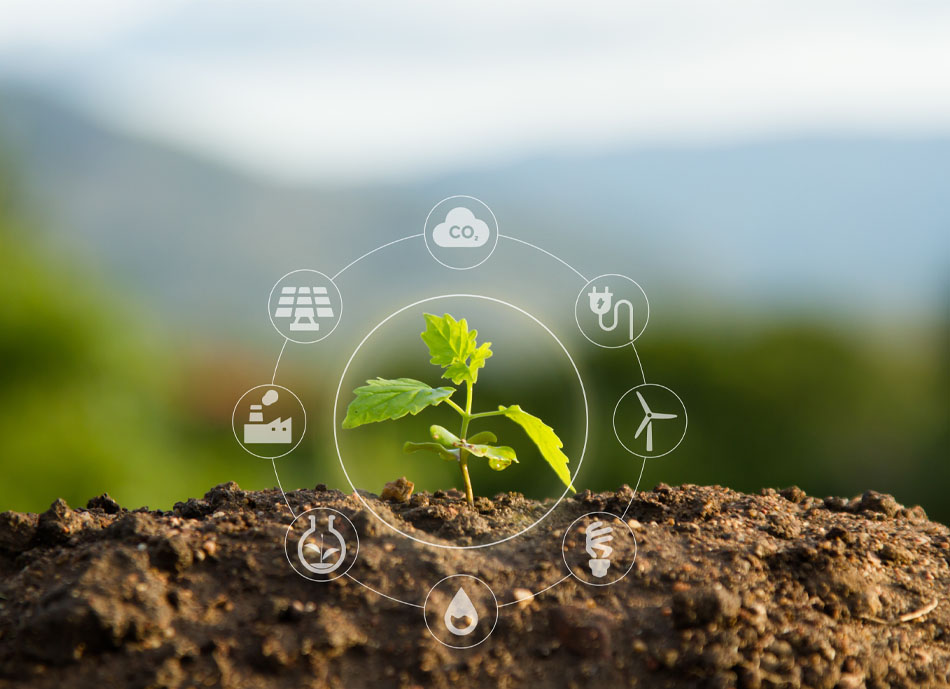
Sustainable soil health management is the foundation of resilient agriculture and long-term food security. Healthy soil is a living ecosystem made up of minerals, organic matter, microorganisms, air, and water, all working together to support plant growth. When managed sustainably, soil not only improves crop productivity but also enhances water retention, reduces erosion, and increases resistance to pests and diseases.
ROLE OF ORGANIC MATTER IN SOIL FERTILITY
One of the key pillars of sustainable soil management is maintaining and improving soil organic matter. Practices such as composting, cover cropping, crop rotation, and the use of organic amendments help replenish nutrients and feed beneficial soil microbes. These microbes play a critical role in nutrient cycling, making essential elements like nitrogen and phosphorus more available to plants while improving soil structure.
IMPORTANCE OF SOIL COVER (RESIDUES AND COVER CROPS)
Reducing soil disturbance is another important strategy. Conservation tillage or no-till farming minimizes erosion, preserves soil biodiversity, and prevents the loss of carbon stored in the soil. By keeping the soil covered with plant residues or cover crops, farmers can protect it from extreme temperatures, wind, and water runoff, ensuring long-term stability.
PRECISION NUTRIENT MANAGEMENT
Water and nutrient management are equally essential for soil health. Efficient irrigation systems, such as drip irrigation, prevent waterlogging and salinity, while precision nutrient application reduces over-fertilization and contamination of surrounding ecosystems. These practices are especially important in arid and semi-arid regions, where soil degradation can occur rapidly.
IMPORTANCE FOR SUSTAINABLE AGRICULTURE
Sustainable soil health management is not just an agricultural practice—it is a climate solution. Healthy soils act as carbon sinks, capturing and storing atmospheric carbon dioxide while supporting sustainable food production. By investing in soil health today, we protect ecosystems, empower farmers, and build a more resilient and sustainable future for generations to come.




