
Research Insights 26
Published on 17-02-2026
Sustainable Farming Practices for Small Farmers
INTRODUCTION TO SUSTAINABLE FARMING
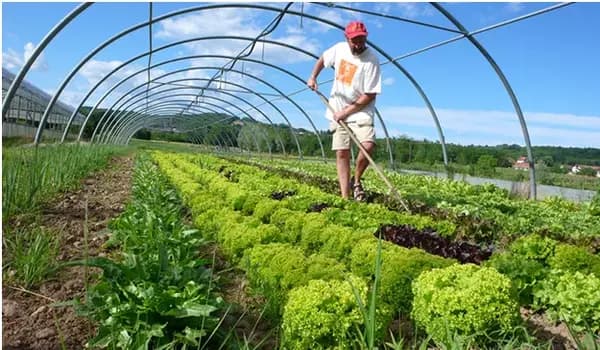
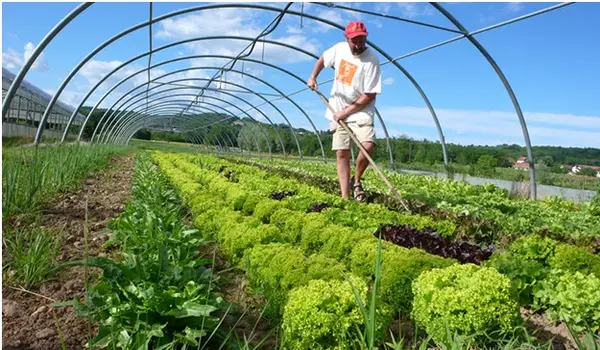
Sustainable farming is becoming increasingly important for small farmers who face challenges such as rising input costs, climate change, soil degradation, and water scarcity. By adopting sustainable practices, smallholders can improve productivity, protect natural resources, and ensure long-term profitability without harming the environment. Sustainable agriculture focuses on balancing economic viability, environmental health, and social responsibility.
SOIL HEALTH MANAGEMENT
One of the most important aspects of sustainable farming is soil health management. Healthy soil is the foundation of productive agriculture. Small farmers can improve soil fertility by using organic manure, compost, green manuring, and crop rotation. These practices enhance soil structure, increase microbial activity, and reduce dependence on chemical fertilizers. Conservation tillage and mulching also help retain soil moisture and prevent erosion.
WATER CONSERVATION TECHNIQUES
Water conservation is another critical component. Efficient irrigation methods such as drip and sprinkler systems reduce water wastage and increase water-use efficiency. Rainwater harvesting, farm ponds, and proper drainage management further support sustainable water use. By optimizing irrigation practices, farmers can reduce costs while protecting valuable water resources.
CROP DIVERSIFICATION AND INTEGRATED FARMING
Diversification is a powerful strategy for small farmers. Instead of depending on a single crop, farmers can adopt crop diversification, intercropping, and integrated farming systems that combine crops, livestock, poultry, or fisheries. This approach spreads risk, improves income stability, and enhances nutrient recycling within the farm. For example, livestock manure can be used as organic fertilizer, creating a closed-loop farming system.
Reducing chemical inputs through Integrated Pest Management (IPM) is also essential. IPM encourages the use of biological control agents, resistant crop varieties, cultural practices, and minimal pesticide application only when necessary. This not only reduces production costs but also protects beneficial insects and prevents environmental contamination.
Reducing chemical inputs through Integrated Pest Management (IPM) is also essential. IPM encourages the use of biological control agents, resistant crop varieties, cultural practices, and minimal pesticide application only when necessary. This not only reduces production costs but also protects beneficial insects and prevents environmental contamination.
OVERVIEW OF SUSTAINABLE FARMING
Sustainable farming practices offer small farmers a practical pathway toward higher productivity, reduced costs, and environmental conservation. By focusing on soil health, water efficiency, diversification, and reduced chemical dependency, smallholders can build resilient farming systems that support both present and future generations. Sustainable agriculture is not only an environmental necessity but also an economic opportunity for small-scale farmers.




