
Research Insights 11
Published on 23-02-2026
AI is Redefining the Future of Agriculture
INTRODUCTION TO AI IN AGRICULTURE
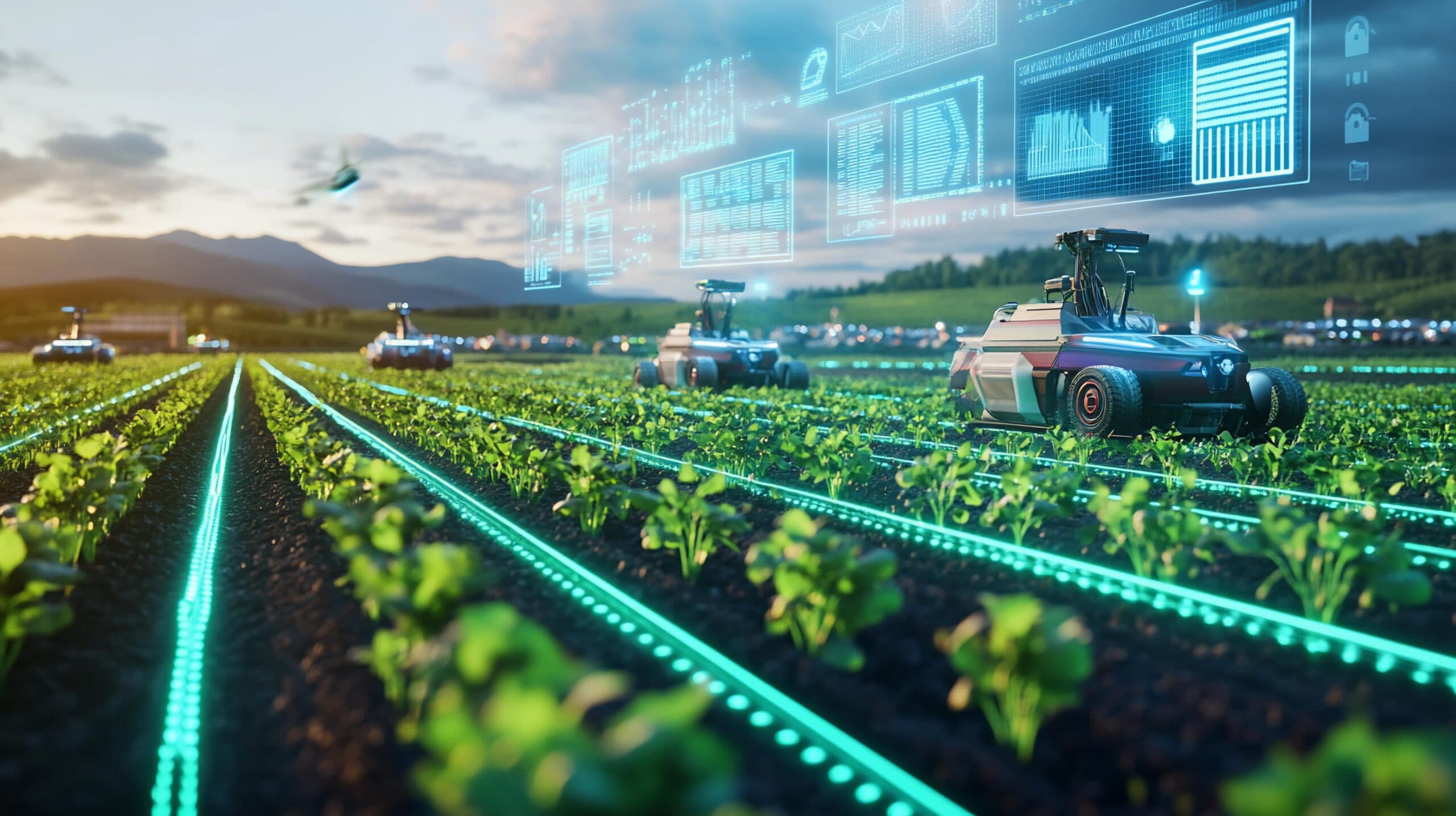
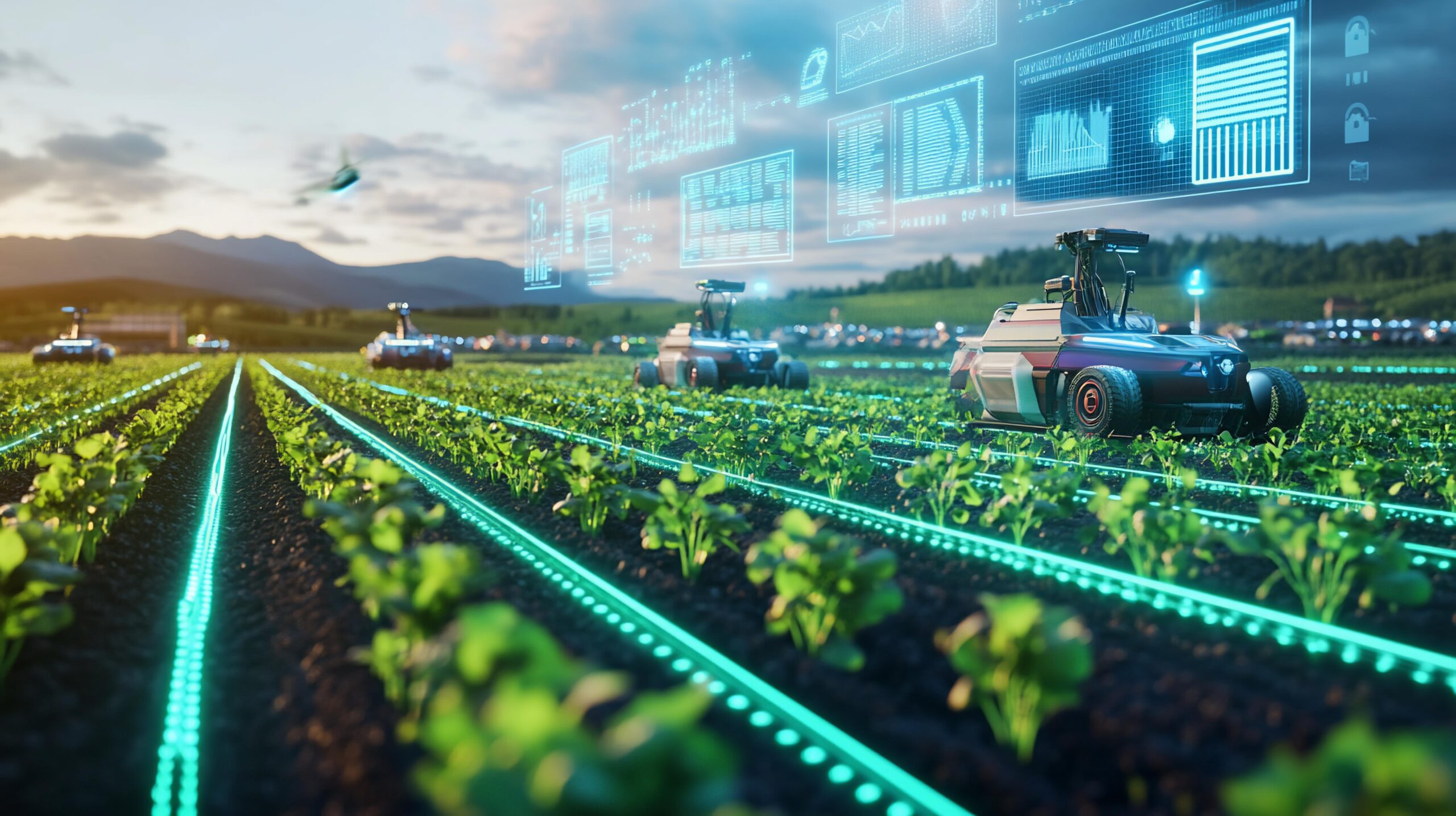
Artificial Intelligence (AI) is transforming agriculture into a smarter, more efficient, and sustainable industry. With the global population increasing rapidly, farmers face the challenge of producing more food with limited land and water resources. AI-powered technologies are helping to address these challenges by improving productivity, reducing costs, and minimizing environmental impact.
ROLE OF AI IN PRECISION FARMING
One of the most significant contributions of AI in agriculture is precision farming. Using data collected from satellites, drones, and sensors, AI systems analyze soil health, weather patterns, and crop conditions in real time. This allows farmers to apply water, fertilizers, and pesticides only where needed, reducing waste and improving crop yield. Precision farming not only increases efficiency but also promotes sustainable agricultural practices.
AI is also playing a crucial role in crop monitoring and disease detection. Advanced image recognition tools can identify plant diseases, nutrient deficiencies, and pest infestations at an early stage. Farmers receive instant alerts and recommendations, enabling timely action and preventing major losses. This proactive approach enhances crop quality and ensures better market value.
AI is also playing a crucial role in crop monitoring and disease detection. Advanced image recognition tools can identify plant diseases, nutrient deficiencies, and pest infestations at an early stage. Farmers receive instant alerts and recommendations, enabling timely action and preventing major losses. This proactive approach enhances crop quality and ensures better market value.
SMART IRRIGATION SYSTEMS AND WATER MANAGEMENT
AI-driven smart irrigation systems are revolutionizing water management. These systems analyze weather forecasts and soil moisture data to automatically adjust irrigation schedules. As a result, water usage is optimized, which is especially important in regions facing water scarcity. The livestock sector is also benefiting from AI innovations.
Smart sensors and wearable devices monitor animal health, detect early signs of disease, and track feeding patterns. This improves animal welfare, boosts productivity, and reduces veterinary costs. AI-based data analysis helps farmers make informed decisions about breeding and nutrition management.
Smart sensors and wearable devices monitor animal health, detect early signs of disease, and track feeding patterns. This improves animal welfare, boosts productivity, and reduces veterinary costs. AI-based data analysis helps farmers make informed decisions about breeding and nutrition management.
BENEFITS OF AI IN AGRICULTURE
The adoption of AI in agriculture comes with challenges such as high initial costs, lack of digital literacy, and limited access to technology in rural areas. However, with government support, training programs, and affordable technological solutions, AI is becoming more accessible to farmers worldwide.
FUTURE SCOPE OF AI IN FARMING
In conclusion, AI is not just a technological advancement; it is a powerful tool reshaping the future of agriculture. By combining innovation with traditional farming knowledge, AI is paving the way for a more productive, sustainable, and food-secure world.




