Industry News 24
Why Soil Health Is Central to the Future of Agriculture
INTRODUCTION
For decades, agricultural productivity was largely driven by synthetic fertilizers, irrigation systems, mechanization, and high-yield crop varieties. While these advancements significantly increased food production, they also contributed to long-term soil degradation in many regions worldwide.
Today, global agriculture is entering a new phase — one where soil health is becoming central to discussions around food security, climate resilience, sustainable farming, water conservation, and ecosystem stability.
Researchers, agronomists, and policymakers increasingly recognize that healthy soil is not simply a growing medium. It is a living biological system that directly influences crop productivity, nutrient quality, biodiversity, carbon storage, and long-term agricultural sustainability.
As climate pressures intensify and arable land faces increasing stress, sustainable soil management is rapidly emerging as one of the most important priorities in modern agriculture.
WHAT IS SOIL HEALTH?
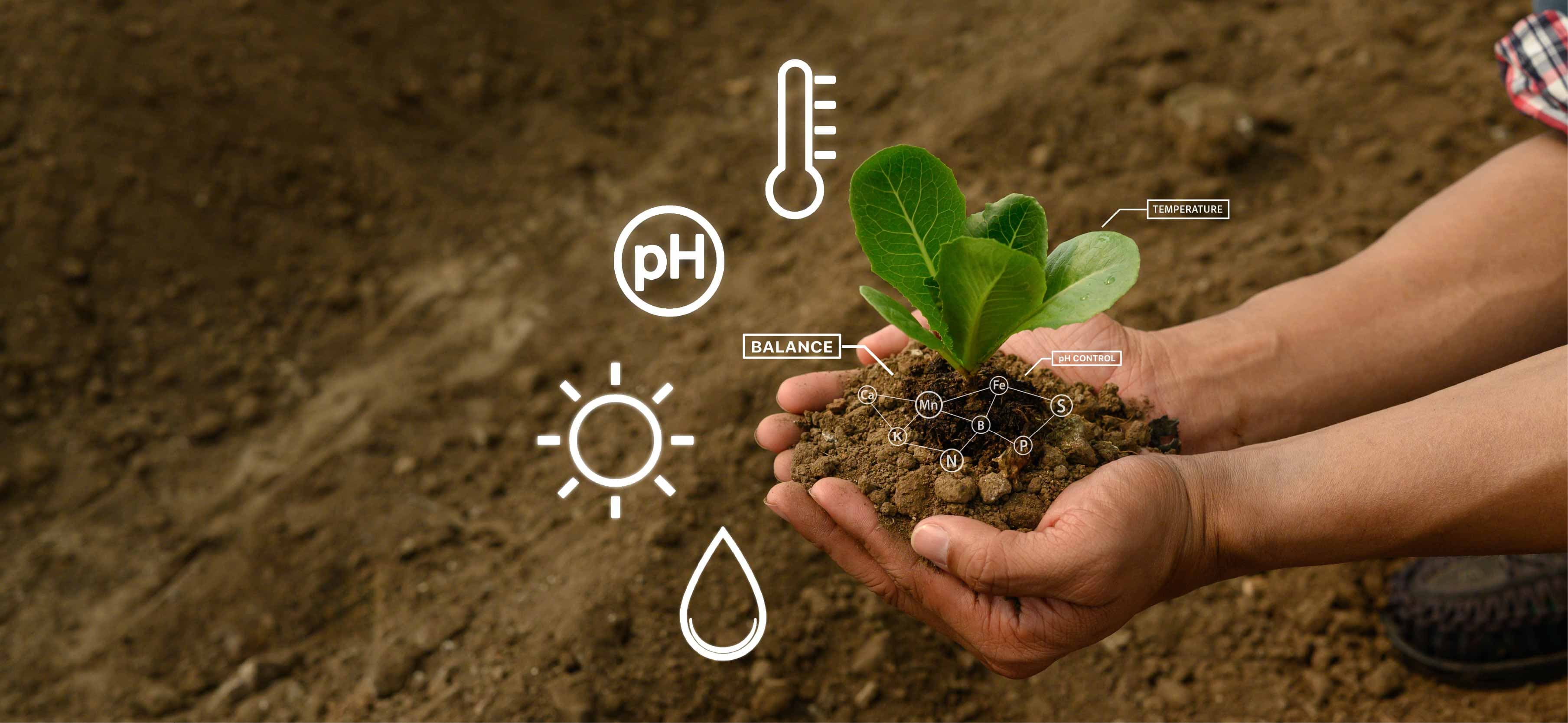
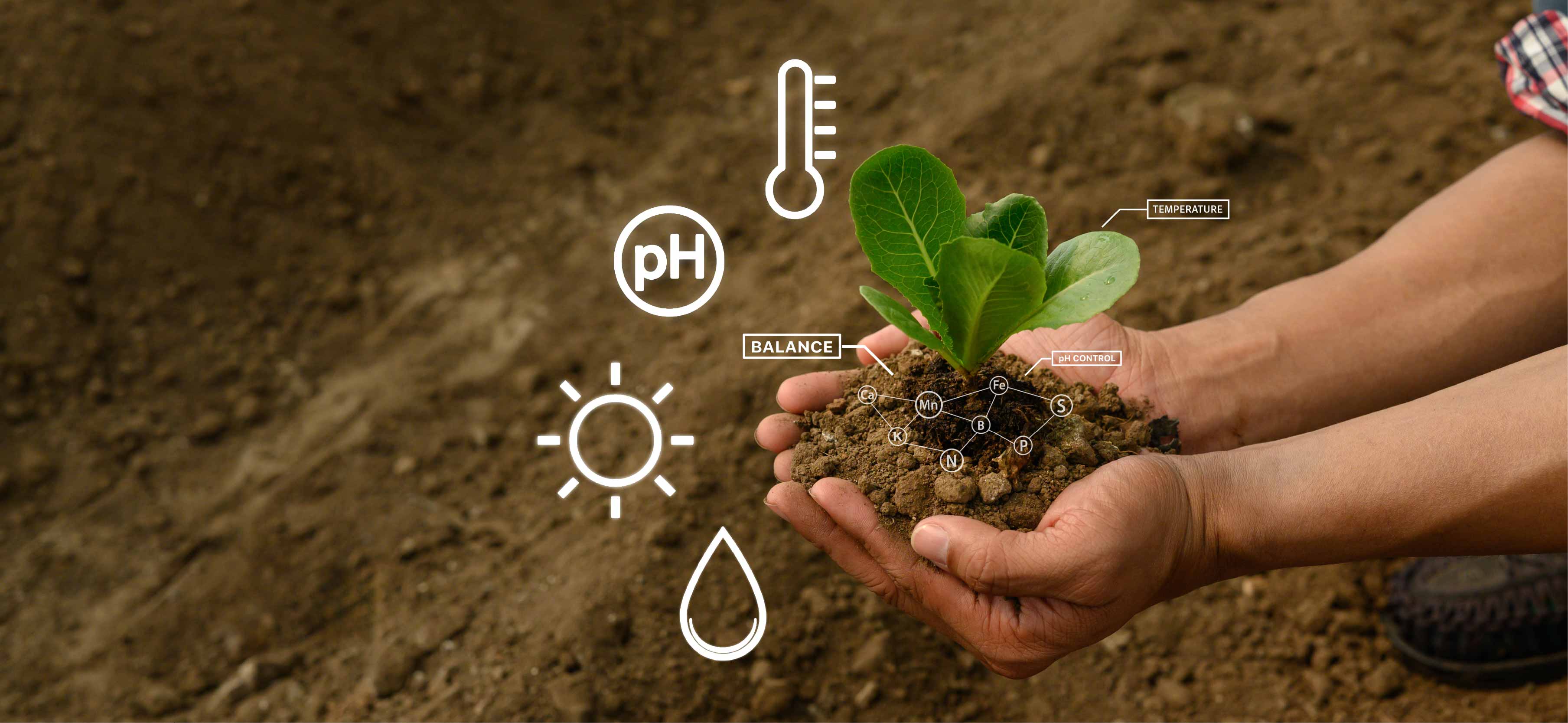
Healthy soil maintains a balance of:
- Biological activity
- Nutrient cycling
- Organic matter
- Water retention
- Soil structure
- Microbial diversity
A healthy soil system supports resilient crop growth while maintaining environmental balance.
WHY SOIL HEALTH MATTERS IN MODERN AGRICULTURE
Healthy soils help improve:
- Crop resilience
- Nutrient availability
- Water efficiency
- Root development
- Disease resistance
- Carbon sequestration
- Yield stability
This issue is becoming increasingly important as agriculture faces mounting global challenges such as:
- Climate change
- Water scarcity
- Soil erosion
- Extreme weather events
- Population growth
- Declining biodiversity
THE SOIL MICROBIOME: THE HIDDEN ECOSYSTEM BENEATH CROPS
The soil microbiome consists of billions of microorganisms living within soil ecosystems, including:
- Bacteria
- Fungi
- Protozoa
- Nematodes
- Beneficial microbes
WHAT DOES THE SOIL MICROBIOME DO?
- Nutrient breakdown and release
- Organic matter decomposition
- Root communication
- Water absorption
- Disease suppression
- Nitrogen fixation
- Carbon cycling
Healthy microbial diversity often contributes to stronger and more resilient farming systems.
HOW INTENSIVE FARMING HAS IMPACTED SOIL HEALTH
Practices that may contribute to soil degradation include:
- Excessive tillage
- Monocropping
- Overuse of synthetic fertilizers
- Heavy pesticide application
- Poor residue management
As a result, many agricultural systems are now shifting toward more regenerative and biologically balanced approaches.
SUSTAINABLE SOIL MANAGEMENT PRACTICES TRANSFORMING AGRICULTURE
Sustainable soil management focuses on improving soil function while maintaining long-term productivity and environmental stability. Several farming practices are becoming increasingly important in this transition.
Cover Cropping
Cover crops help protect and enrich soil between production cycles.
Benefits of cover cropping include:
- Reduced erosion
- Improved organic matter
- Better moisture retention
- Enhanced microbial activity
- Reduced nutrient runoff
- Legumes, rye, clover, and mustard are commonly used cover crops in sustainable farming systems.
Frequent tillage can disrupt soil structure and microbial ecosystems.
Reduced tillage practices help preserve:
- Soil aggregates
- Moisture retention
- Fungal networks
- Organic carbon
- Beneficial microbial activity
Conservation tillage is increasingly viewed as a critical tool for improving long-term soil resilience.
Organic Matter Integration
Organic matter is essential for healthy soil systems.
Adding compost, crop residues, and biological amendments can improve:
- Soil fertility
- Water retention
- Carbon storage
- Nutrient availability
- Biological activity
Organic matter also serves as an important energy source for the soil microbiome.
Crop Rotation
Crop diversity plays an important role in maintaining soil balance.
Crop rotation can help:
- Improve nutrient cycling
- Reduce pest pressure
- Support microbial diversity
- Enhance soil structure
- Lower disease risks
Diversified farming systems often perform better under environmental stress conditions.
Organic Matter Integration
Organic matter is essential for healthy soil systems.
Adding compost, crop residues, and biological amendments can improve:
- Soil fertility
- Water retention
- Carbon storage
- Nutrient availability
- Biological activity
Organic matter also serves as an important energy source for the soil microbiome.
SOIL HEALTH AND CLIMATE RESILIENCE
Healthy soils can absorb and retain more water, making farming systems better equipped to handle drought conditions and irregular rainfall patterns.
At the same time, healthy soil systems help reduce erosion and nutrient loss during extreme weather events.
This makes soil management increasingly important in climate adaptation strategies worldwide.
Soil as a Carbon Sink
Soils also play a major role in carbon sequestration.
Plants absorb atmospheric carbon dioxide through photosynthesis, and part of this carbon is transferred into the soil through roots and biological activity.
Healthy soils can store significant amounts of carbon, helping reduce greenhouse gas accumulation in the atmosphere.
Degraded soils, however, often release stored carbon back into the environment.
This connection between soil health and climate regulation is driving growing interest in regenerative agriculture and carbon-smart farming systems.
WHY THE SOIL MICROBIOME IS BECOMING A MAJOR RESEARCH FOCUS
Scientists are increasingly exploring how microbial communities influence:
- Crop productivity
- Disease resistance
- Nutrient efficiency
- Carbon cycling
- Plant stress tolerance
- Microbial biofertilizers
- Biological soil enhancers
- Precision microbiome analysis
- AI-driven soil diagnostics
- Microbial seed treatments
TECHNOLOGY IS CHANGING SOIL MANAGEMENT
Farmers and researchers now use:
- Soil sensors
- Satellite imaging
- AI-powered nutrient mapping
- Precision irrigation systems
- Remote sensing technologies
Precision agriculture is increasingly allowing farmers to manage soil variability at highly localized levels.
THE ECONOMIC IMPORTANCE OF HEALTHY SOIL
Healthy soils can contribute to:
- Stable yields
- Reduced fertilizer dependency
- Better water efficiency
- Lower input costs
- Improved resilience against crop failure
Investors and agritech companies are also showing growing interest in soil-focused innovations and regenerative agriculture systems.
SOIL HEALTH AND FOOD QUALITY
Healthy soils can support improved micronutrient availability and stronger plant metabolism, potentially affecting the nutritional composition of food crops.
While this area continues to evolve scientifically, interest in the relationship between soil health and human nutrition is growing rapidly.
This is especially important as global discussions around food quality and sustainable nutrition continue expanding.
THE FUTURE OF AGRICULTURE WILL BE BUILT ON HEALTHY SOIL SYSTEMS
Future farming systems are expected to rely more heavily on:
- Regenerative agriculture
- Biological soil management
- Climate-smart farming
- Precision agriculture
- Microbial science
- Sustainable soil management systems
The farms that succeed in the coming decades may not simply be the ones with the highest inputs — but the ones with the healthiest and most resilient soil ecosystems.
CONCLUSION
From crop productivity and climate resilience to biodiversity and food security, healthy soil systems influence nearly every dimension of sustainable farming.
The growing scientific focus on soil microbiomes, biological agriculture, and sustainable soil management reflects a major transformation underway across global agriculture.
As the agricultural sector adapts to rising environmental and economic pressures, protecting and restoring soil health may become one of the most important investments for the future of food systems worldwide.