
Industry News 299
Smart Farming in 2026: Scaling AI, IoT and Data-Driven Agriculture
SMART FARMING BEYOND THE PILOT: HOW AI, IOT AND FARM DATA CAN SCALE SUSTAINABLE AGRICULTURE
Sensors can measure soil moisture. Satellites can monitor crop stress. Artificial intelligence can interpret weather, field and animal-health data. Automated equipment can deliver water, fertilizer or feed with greater precision.
Yet one major challenge remains.
Many promising technologies perform well in pilot projects but struggle to reach farmers at meaningful scale.
The future of smart farming will therefore depend not only on what technology can do, but on whether agricultural systems can make it practical, affordable, trustworthy and useful.
WHAT IS SMART FARMING?
It may include:
-
Artificial intelligence
-
Internet of Things sensors
-
Satellite and Earth-observation data
-
Drones
-
Robotics and automation
-
Precision irrigation
-
Farm-management platforms
-
Digital advisory services
-
Livestock-monitoring systems
-
Aquaculture water-quality tools
-
Weather and early-warning services
KEY TAKEAWAYS
-
Smart farming is a management system, not simply a collection of devices.
-
AI and data can support faster and more precise agricultural decisions.
-
The greatest barrier is often scaling technology beyond pilot projects.
-
Connectivity, skills, trust and affordability determine adoption.
-
Smallholders need services designed around their actual conditions.
-
Data governance and responsible AI must develop alongside technology.
-
Successful scaling requires collaboration between farmers, researchers, governments and industry.
WHY IS SMART FARMING BECOMING A GLOBAL PRIORITY?
-
Climate variability
-
Water scarcity
-
Soil degradation
-
Rising input costs
-
Labour shortages
-
Pest and disease risks
-
Market uncertainty
-
Demand for traceability
-
Pressure to reduce environmental impact
Data can help identify those changes earlier.
Smart-farming systems can show where water is needed, which plants are under stress, whether animal behaviour is changing, how weather may affect field operations and where inputs are being lost.
This transforms technology from an equipment category into agricultural decision infrastructure.
HOW CAN AI IMPROVE AGRICULTURAL DECISION-MAKING?
Potential uses include:
-
Detecting crop disease from images
-
Predicting pest outbreaks
-
Forecasting irrigation requirements
-
Identifying livestock-health changes
-
Supporting crop-yield estimates
-
Analysing genomic and breeding data
-
Monitoring feed efficiency
-
Classifying soil or land conditions
-
Improving supply-chain forecasts
-
Translating complex data into farmer advisories
Its value lies in helping farmers, veterinarians, researchers and extension professionals interpret patterns that may otherwise be difficult to detect
For AI recommendations to be useful, the underlying data must be accurate, representative and relevant to local conditions.
WHAT ROLE DOES THE INTERNET OF THINGS PLAY IN FARMING?
On farms, connected sensors can monitor:
-
Soil moisture
-
Temperature and humidity
-
Rainfall
-
Water flow
-
Greenhouse conditions
-
Livestock movement
-
Animal body temperature
-
Feed and water consumption
-
Pond-water quality
-
Machinery performance
-
Energy consumption
For example, an irrigation system can respond to actual soil-moisture conditions rather than operating according to a fixed schedule. A livestock system can flag unusual movement or feeding behaviour before visible illness develops.
However, sensors create value only when farmers can understand and act on the information they produce.
WHY DO SMART-FARMING PILOTS FAIL TO SCALE?
1. Technology Is Designed Without Farmers
Some systems are developed around technical capability rather than farm-level need. A platform may be scientifically advanced but too complicated, expensive or time-consuming for daily use.
2. Connectivity Is Unreliable
Many rural areas lack dependable internet, electricity or mobile coverage. Solutions that require continuous high-speed connectivity may exclude the producers who could benefit most.
3. Equipment and Maintenance Are Expensive
The cost of sensors, subscriptions, repairs and data services can prevent adoption after a funded pilot ends.
4. Data Systems Cannot Communicate
Farmers may use separate platforms for weather, irrigation, machinery, crops and livestock. When systems are not interoperable, data becomes fragmented.
5. Digital Skills Are Uneven
Technology adoption depends on training, advisory support and confidence—not only access to a device.
6. Business Models Are Unsustainable
Pilot projects often subsidise technology. Long-term adoption requires a clear model explaining who will pay, how much they will pay and what measurable value they will receive.
7. Evidence Is Not Always Clear
Farmers need credible evidence showing whether a technology saves water, reduces costs, prevents losses or improves income under real conditions.
WHAT DOES FARMER-CENTRED SMART FARMING LOOK LIKE?
Instead of asking, “How can this technology be used?” developers and researchers should ask:
- What decision is the farmer trying to make?
- What information is currently missing?
- How quickly is that information needed?
- What action can the farmer realistically take?
- What language and format will be easiest to use?
- What is the expected financial or productive benefit?
- Can the service operate under low-connectivity conditions?
HOW CAN SMART FARMING IMPROVE RESOURCE EFFICIENCY?
-
Water
-
Fertilizer
-
Pesticides
-
Feed
-
Energy
-
Labour
-
Machinery
-
Land
For irrigation, this may mean combining soil moisture, crop stage and weather forecasts.
For fertilizer, it may involve matching nutrient application to field variability.
For livestock, it may involve using behavioural and health data to identify individual animals requiring attention.
The objective is to improve productivity while reducing unnecessary cost and environmental pressure.
HOW IS SMART FARMING USED ACROSS AGRICULTURAL SECTORS?
Cropping Systems
Crop monitoring, precision irrigation, pest detection, variable-rate application and yield forecasting are among the most established uses.
Livestock Systems
Wearable sensors, cameras and automated records can support health monitoring, reproduction, feeding and welfare management.
Aquaculture
Connected water-quality systems can monitor temperature, oxygen, pH and other conditions affecting fish health and growth.
Forestry
Remote sensing and digital mapping can support forest-health monitoring, fire-risk assessment and sustainable resource management.
Urban Agriculture
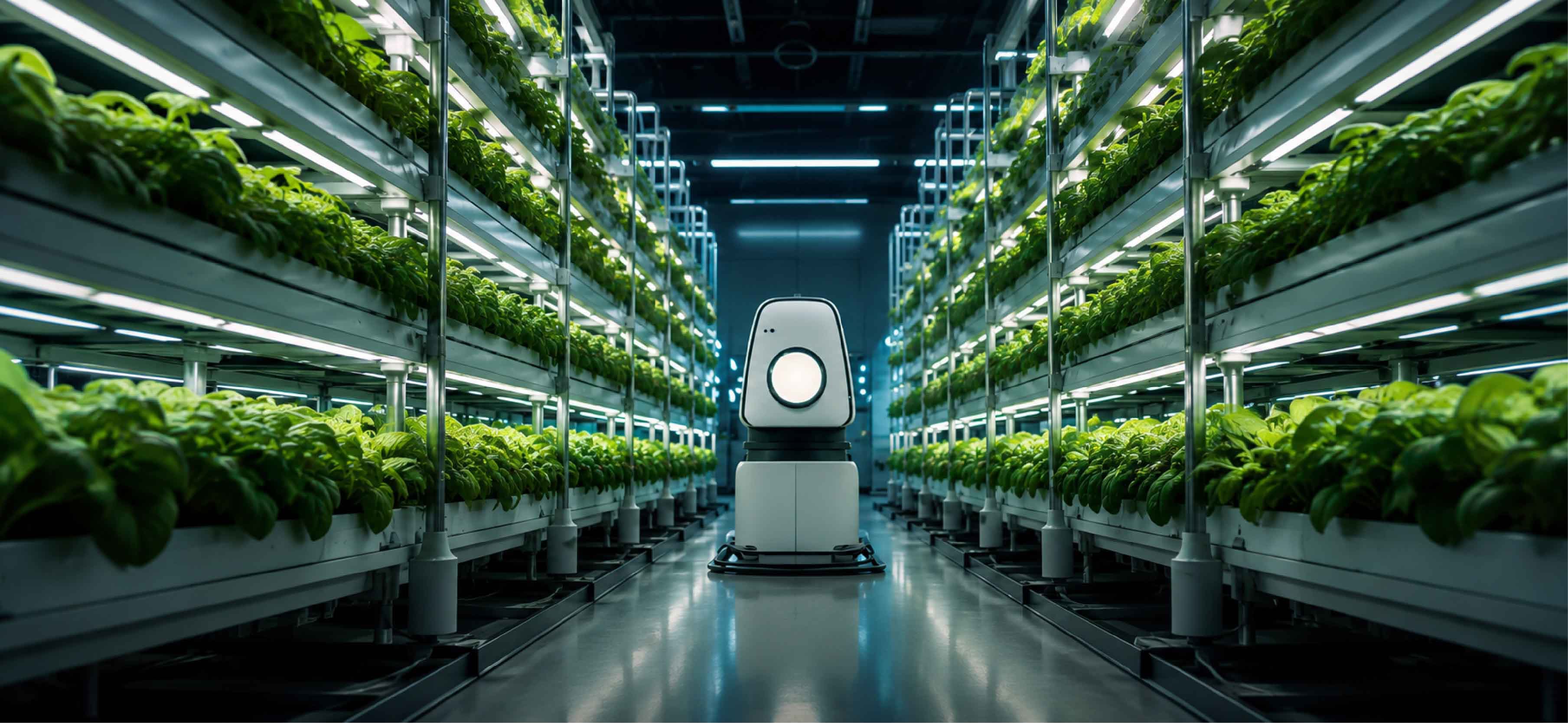
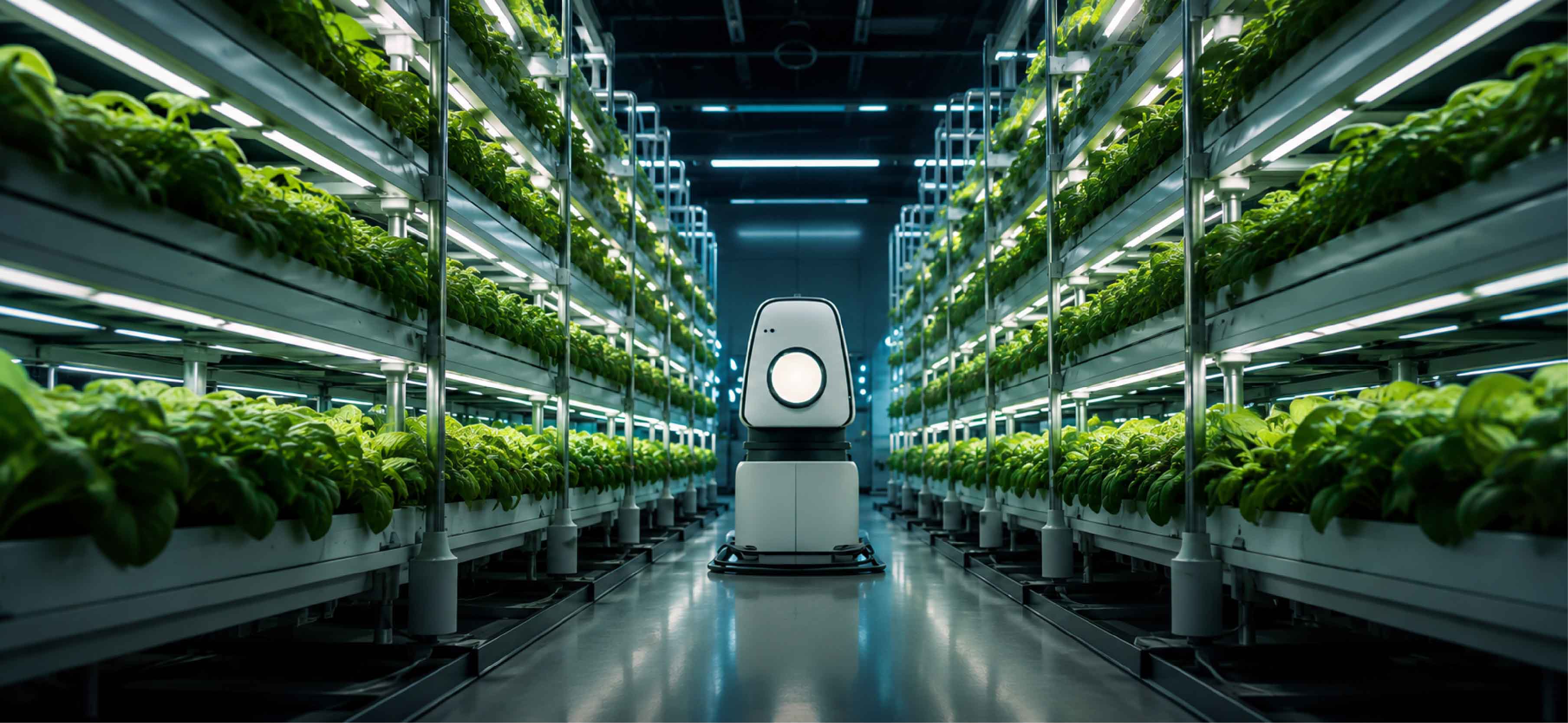
Controlled-environment systems can integrate lighting, water, nutrients and climate management for more efficient production.
Food Safety and Traceability
Digital records can help track products, inputs and conditions across agricultural supply chains.
WHAT ARE THE RISKS OF AI AND DATA-DRIVEN AGRICULTURE?
Data Ownership
Farmers should understand who owns, controls and benefits from data generated on their farms.
Privacy and Security
Agricultural systems may contain commercially sensitive information about production, land and business operations.
Algorithmic Bias
Models trained using data from one region or type of farm may perform poorly elsewhere.
Overdependence on Platforms
Farmers may become dependent on systems they cannot repair, audit or easily replace.
Unequal Access
Large farms may adopt new tools more quickly, widening the digital gap between producers.
Lack of Transparency
Users should understand the basis, confidence and limitations of important automated recommendations.
Responsible smart farming therefore requires governance, accountability and human oversight.
HOW CAN SMART FARMING WORK FOR SMALLHOLDERS?
-
Affordable
-
Mobile-first
-
Available in local languages
-
Designed for low-connectivity environments
-
Connected to extension services
-
Supported by practical training
-
Adapted to local crops and livestock
-
Capable of generating measurable value
-
Available through shared or service-based models
WHAT IS REQUIRED TO SCALE SMART FARMING GLOBALLY?
Strong Digital Infrastructure
Rural connectivity, electricity, cloud systems and device support are foundational.
Agricultural Data Ecosystems
Data should be reliable, interoperable and governed through clear standards.
Research and Validation
Technologies must be tested across crops, climates, production systems and farm sizes.
Effective Advisory Services
Farmers need human support to interpret digital recommendations and apply them correctly.
Inclusive Finance
Loans, leasing, subscriptions, shared services and public programmes can lower adoption barriers.
Skills Development
Farmers, researchers, extension officers and policymakers all require new digital capabilities.
Responsible Regulation
Rules should protect users and data without preventing useful innovation.
Sustainable Business Models
Technology must continue operating after a pilot or grant ends.
Collaboration
No single organisation can build the complete system. Scaling requires coordination between agriculture, technology, research, government, finance and farmer organisations.
HOW SHOULD SMART-FARMING SUCCESS BE MEASURED?
More useful indicators include:
-
Water saved
-
Input costs reduced
-
Yield or quality improved
-
Disease detected earlier
-
Losses prevented
-
Farmer income protected
-
Time saved
-
Environmental impact reduced
-
Smallholder participation increased
-
Continued use after the pilot period
CONCLUSION
The conversation is moving beyond whether agriculture should use data and technology. The more important question is how these systems can produce responsible, inclusive and measurable impact at scale.
AI, IoT, sensors, satellites and automation can strengthen agriculture. But lasting transformation requires more than technical innovation.
It requires farmer-centred design, sound agronomy, digital skills, viable investment, trustworthy data systems and institutions capable of connecting discovery with implementation.
The future of smart farming will not be decided by the most advanced tool.
It will be decided by the solutions that farmers can access, trust and use to make better decisions.
FAQs
Smart farming uses data, sensors, artificial intelligence and precision technologies to improve agricultural decision-making, productivity, sustainability and resource management.




