
Industry News 20
Published on 14-02-2026
Organic vs Conventional Farming: Future of Food Security
ORGANIC VS CONVENTIONAL FARMING: THE FUTURE OF FOOD SECURITY
Food security remains one of the most pressing global challenges of the 21st century. With the world’s population projected to exceed 9 billion by 2050, ensuring a stable supply of safe, nutritious, and affordable food is critical. In this context, the debate between organic and conventional farming has gained significant attention. Both systems offer distinct advantages and face unique challenges, raising important questions about their roles in securing the future of global food systems.
CAN ORGANIC FARMING FEED THE WORLD?
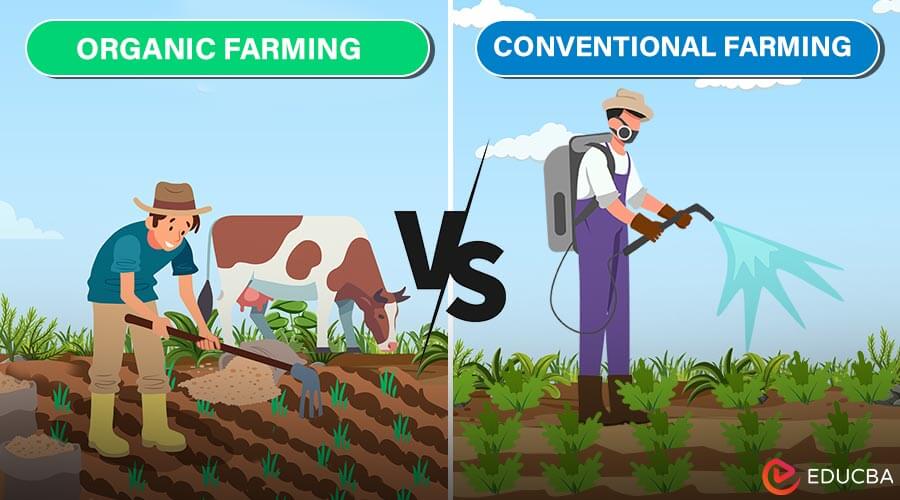
Conventional farming, often referred to as modern or industrial agriculture, relies on synthetic fertilizers, pesticides, high-yielding crop varieties and advanced mechanization to maximize productivity. Over the past few decades, this system has significantly increased crop yields and helped reduce hunger in many parts of the world. The Green Revolution, for instance, transformed agricultural productivity through improved seeds, irrigation and chemical inputs. Conventional farming is generally more efficient in terms of output per hectare, making it a critical contributor to large-scale food production.
FOOD SECURITY AND SUSTAINABLE AGRICULTURE SOLUTIONS
However, conventional agriculture is frequently criticized for its environmental impact. Excessive use of chemical fertilizers and pesticides can degrade soil health, contaminate water bodies, and reduce biodiversity. Long-term reliance on monocropping and intensive practices may also lead to soil nutrient depletion and increased vulnerability to pests and climate variability. Additionally, concerns over pesticide residues and food safety have influenced consumer preferences worldwide.
ENVIRONMENTAL IMPACT OF ORGANIC VS CONVENTIONAL FARMING
Organic farming, on the other hand, emphasizes natural inputs, ecological balance, and soil health. It avoids synthetic chemicals, genetically modified organisms (GMOs), and artificial growth regulators. Instead, it promotes crop rotation, composting, biological pest control, and sustainable soil management practices. Organic systems aim to enhance biodiversity, improve soil structure, and reduce environmental pollution. For many consumers, organic food is associated with better health, environmental sustainability, and ethical farming practices.
FUTURE OF FARMING: INTEGRATING ORGANIC AND CONVENTIONAL SYSTEMS
Ultimately, achieving global food security requires a balanced approach that ensures productivity, environmental protection, economic viability, and social equity. Organic and conventional farming systems each have important roles to play. By adopting evidence-based practices and encouraging responsible innovation, policymakers and agricultural stakeholders can create resilient food systems capable of feeding future generations while preserving natural resources.




