
Industry News 314
How AI Is Transforming Modern Agriculture and Food Systems
HOW AI IS TRANSFORMING
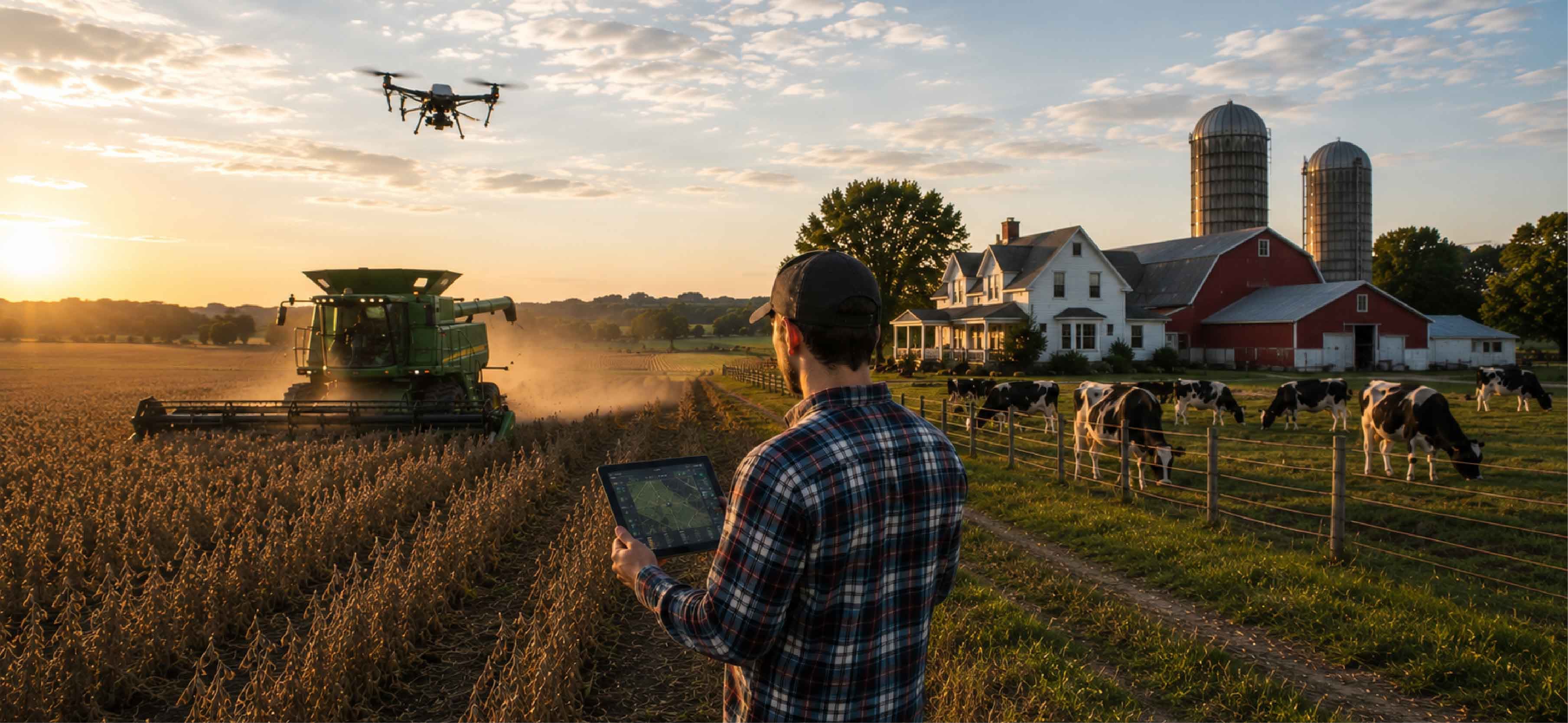
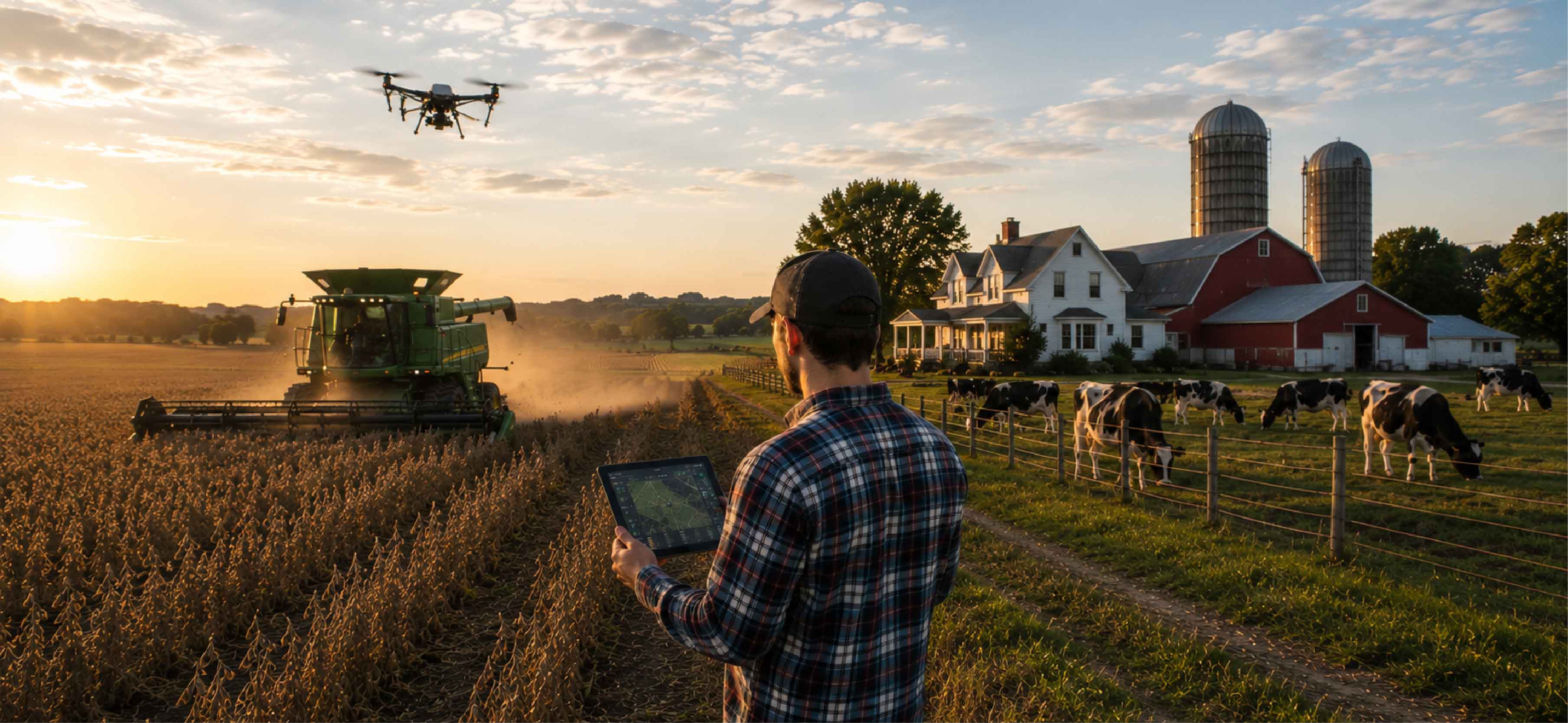
Artificial Intelligence is no longer a future concept in agriculture. It is already reshaping how food is grown, monitored, distributed, and sustained across the world. From predictive crop analytics and smart irrigation systems to autonomous machinery and disease detection models, AI in agriculture is driving one of the most significant transformations the global food system has seen in decades.
As climate volatility, population growth, soil degradation, and food insecurity continue to challenge traditional agricultural systems, AI-powered technologies are emerging as critical tools for building more resilient, efficient, and sustainable food ecosystems.
For researchers, policymakers, agribusiness leaders, and innovators, the question is no longer whether AI will impact agriculture — but how quickly the industry can adapt to this technological shift.
THE GROWING NEED FOR SMARTER AGRICULTURAL SYSTEMS
- Unpredictable climate conditions,
- Water scarcity,
- Rising production costs,
- Declining soil health,
- Labor shortages
- Increasing pest and disease risks.
WHAT IS AI IN AGRICULTURE?
- Machine learning,
- Predictive analytics
- Computer vision
- Robotics
- Automation
- Big data system,
Applications now extend across:
- Crop monitoring,
- Weather prediction
- Irrigation optimization,
- Livestock health,
- Supply chain forecasting
- Precision farming
- Soil analysis
- Food quality monitoring
PRECISION AGRICULTURE: THE CORE OF AI-DRIVEN FARMING
Instead of applying fertilizers, pesticides, or water uniformly across fields, farmers can now target specific areas based on actual crop needs.
This results in:
- Lower resource waste
- Improved crop yields
- Reduced environmental impact
- Better cost efficiency.
- Nutrient deficiencies
- Pest infestations
- Irrigation stress
- Crop disease patterns
AI AND PREDICTIVE CROP ANALYTICS
- Crop yields,
- Disease outbreaks,
- Rainfall trends
- Harvesting windows
- Market Demand fluctuations
For example:
- AI systems can identify the best planting time based on regional climate data.
- Predictive models can estimate disease risks weeks in advance.
- Smart forecasting tools can optimize harvesting schedules and reduce post-harvest losses.
SMART IRRIGATION AND WATER MANAGEMENT
- Real-time moisture monitoring
- Weather Forecasting,
- Automated irrigation controls,
- Satellite-based field analysis.
- When crops need water,
- How much water is required,
- Which field zones require irrigation priority.
AI IN CROP DISEASE DETECTION
- Drone imagery
- Smartphone Applications
- Satellite Monitoring
- Sensor-based crop analysis
- Reduce crop damage
- Minimize pesticide use
- Improve treatment efficiency
- Protect yield quality
ROBOTICS AND AGRICULTURAL AUTOMATION
- Automated harvesting
- Weed detection
- Precision spraying
- Autonomous tractors
- Livestock monitoring
- Labor shortages
- Rising operational costs
- Efficiency limitations
- Large-scale farm management complexities
AI AND SUSTAINABLE FOOD SYSTEMS
AI technologies are helping:
- Reduce food waste
- Optimize supply chains
- Improve food traceability
- Monitor sustainability metrics
- Predict consumer demand patterns
- Reduce transportation inefficiencies,
- Improve inventory forecasting,
- Identify distribution bottlenecks,
- Enhance food safety monitoring.
CHALLENGES AND ETHICAL CONSIDERATIONS
Key concerns include:
- Access inequality
- Infrastructure limitations
- Data privacy
- Technology affordability
- Digital literacy gaps
- Overdependence on automation
Additionally, agricultural AI systems rely heavily on data collection, raising important questions about:
- Data ownership
- Transparency
- Ethical technology governance
THE FUTURE OF AI IN AGRICULTURE
Future developments may include:
- Fully autonomous farms,
- Advanced climate prediction systems,
- AI-driven crop breeding,
- Hyper-personalized farm management,
- Real-time global food monitoring networks.
- Improving food security,
- Reducing environmental impact,
- Increasing farming resilience,
- Supporting climate adaptation strategies.
WHY RESEARCH AND COLLABORATION MATTER
- Researchers
- Universities
- Policymakers
- Technology innovators
- Agribusiness leaders
- Scientific communities
- Evidence-based
- Scalable
- Ethical
- Sustainable
- Accessible
CONCLUSION
As the agricultural sector navigates increasing climate, economic, and food security pressures, AI offers an opportunity to build smarter, more resilient, and more sustainable systems for the future.
The transition toward intelligent agriculture is already underway.
The organizations, researchers, and innovators who adapt early will help shape the future of global food systems for decades to come.




