
Industry News 551
Published on 13-05-2026
Future of Sustainable Agriculture: Research Trends Shaping 2026
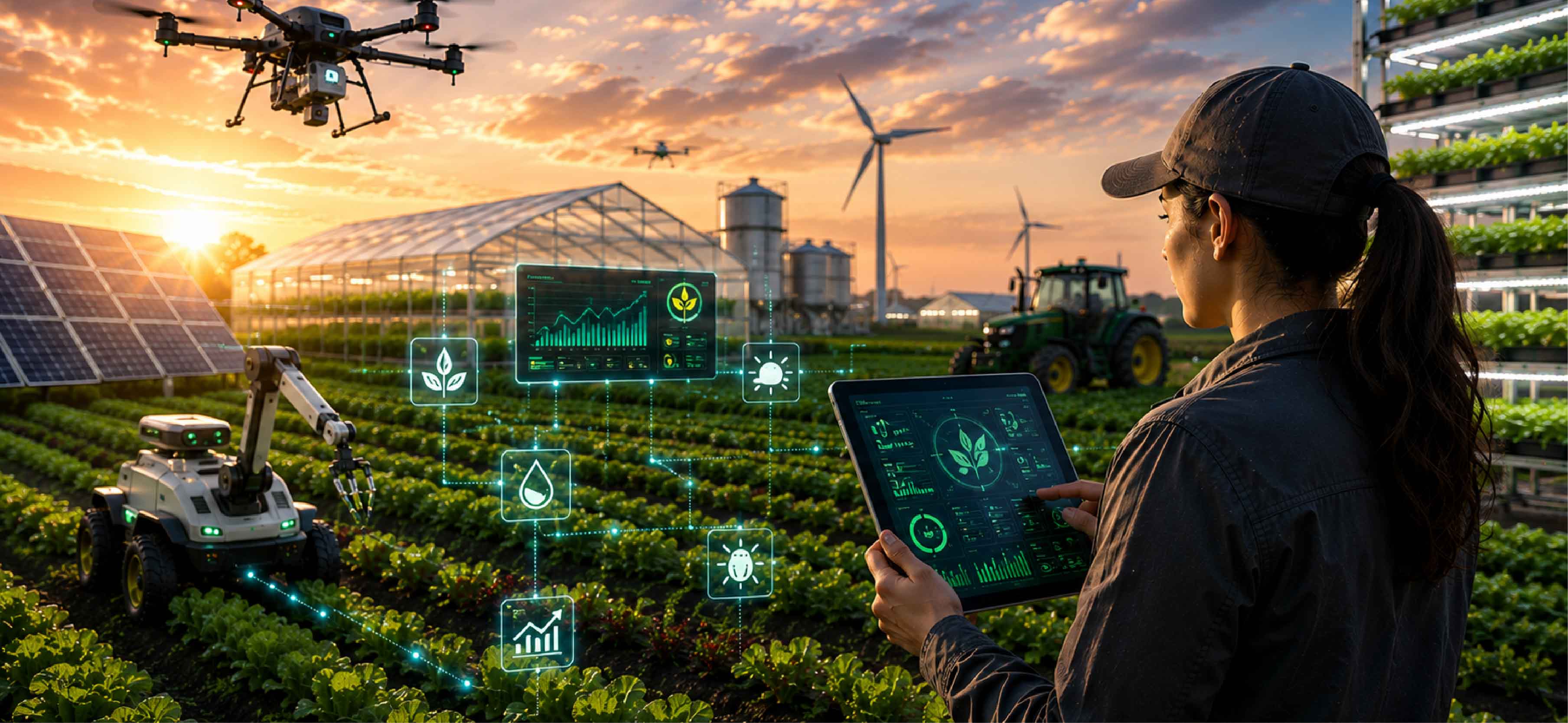
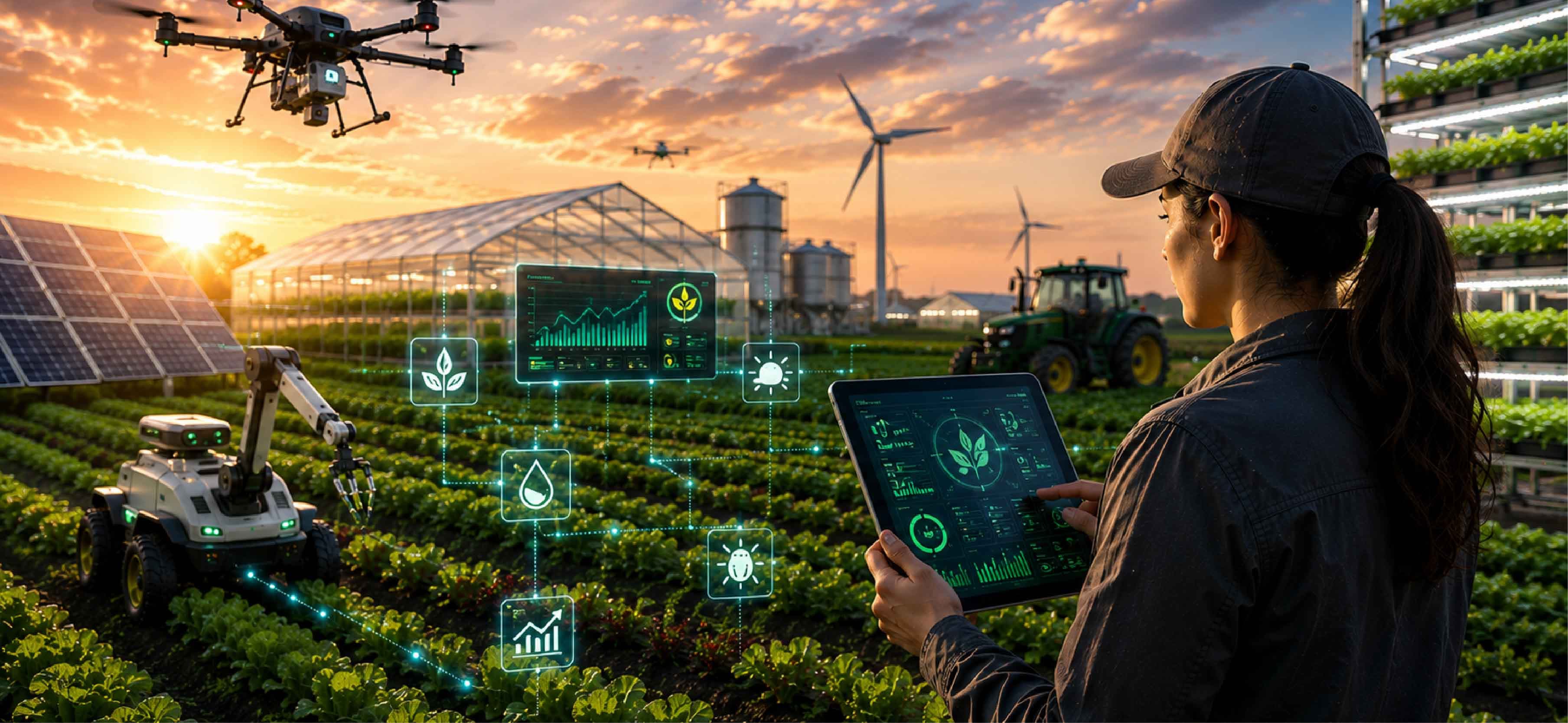
INTRODUCTION
Agriculture is entering one of the most transformative periods in modern history. Rising climate pressures, population growth, food security concerns, and technological advancements are rapidly reshaping the future of farming and agricultural research.
According to global projections, the world population is expected to approach nearly 10 billion by 2050, significantly increasing food demand while natural resources continue to face unprecedented stress. This challenge has accelerated research in sustainable agriculture, climate resilience, regenerative farming, precision technologies, and sustainable food systems.
In 2026, sustainable agriculture is no longer simply a policy discussion—it is becoming the foundation of global agricultural innovation.
According to global projections, the world population is expected to approach nearly 10 billion by 2050, significantly increasing food demand while natural resources continue to face unprecedented stress. This challenge has accelerated research in sustainable agriculture, climate resilience, regenerative farming, precision technologies, and sustainable food systems.
In 2026, sustainable agriculture is no longer simply a policy discussion—it is becoming the foundation of global agricultural innovation.
WHAT IS SUSTAINABLE AGRICULTURE?
Sustainable agriculture refers to farming systems designed to:
- maintain long-term productivity,
- reduce environmental impact,
- conserve biodiversity,
- improve soil health,
- enhance climate resilience,
- ensure food security for future generations.
- scientific research,
- biotechnology,
- AI-driven precision systems,
- regenerative practices,
- climate-smart innovations.
WHY SUSTAINABLE AGRICULTURE RESEARCH MATTERS MORE THAN EVER
Global agricultural systems are currently facing:
This shift has created major growth in:
- increasing soil degradation,
- water scarcity,
- climate variability,
- biodiversity loss,
- rising carbon emissions,
- pressure on food production systems.
This shift has created major growth in:
- climate-smart agriculture,
- carbon farming,
- regenerative agriculture,
- precision irrigation,
- sustainable livestock systems,
- agricultural AI technologies.
1. CLIMATE-SMART AGRICULTURE WILL DOMINATE RESEARCH AGENDAS
Climate-smart agriculture is becoming one of the most important priorities in global agricultural research.
It focuses on:
It focuses on:
- improving resilience,
- reducing emissions,
- increasing productivity,
- adapting farming systems to climate variability.
- drought-resistant crop varieties,
- climate-adaptive farming systems,
- carbon-efficient cultivation,
- precision irrigation technologies.
2. REGENERATIVE AGRICULTURE IS MOVING INTO MAINSTREAM SCIENCE
Regenerative agriculture has rapidly evolved from a niche farming philosophy into a major research-driven agricultural movement.
The focus is now shifting toward measurable outcomes such as:
The focus is now shifting toward measurable outcomes such as:
- soil carbon sequestration,
- microbial biodiversity,
- ecosystem restoration,
- long-term soil fertility.
- cover cropping systems,
- reduced tillage methods,
- rotational grazing,
- biological soil enhancement techniques.
3. ARTIFICIAL INTELLIGENCE IS TRANSFORMING SUSTAINABLE FARMING
AI and machine learning technologies are significantly improving agricultural sustainability.
Modern AI-driven systems now help farmers:
AI-powered sustainability research is expected to become one of the fastest-growing agricultural research sectors in the coming decade.
Modern AI-driven systems now help farmers:
- predict crop diseases,
- optimize irrigation,
- reduce pesticide use,
- monitor soil conditions,
- improve yield forecasting.
AI-powered sustainability research is expected to become one of the fastest-growing agricultural research sectors in the coming decade.
4. SUSTAINABLE FOOD SYSTEMS ARE BECOMING GLOBAL PRIORITIES
Agricultural sustainability now extends beyond farms into entire food systems.
Researchers are focusing on:
Researchers are focusing on:
- food waste reduction,
- sustainable supply chains,
- alternative protein systems,
- circular agricultural economies,
- nutrition-sensitive agriculture.
- geopolitical disruptions,
- climate instability,
- resource limitations,
- increasing consumer sustainability awareness.
5. CARBON FARMING AND NET-ZERO AGRICULTURE ARE EXPANDING
Carbon farming is becoming one of the most discussed topics in agricultural sustainability research.
Research areas include:
Research areas include:
- soil carbon storage,
- carbon credit systems,
- low-emission farming,
- methane reduction technologies,
- sustainable livestock management.
THE ROLE OF RESEARCH INSTITUTIONS IN GLOBAL AGRICULTURAL TRANSFORMATION
Research institutions and scientific journals play a critical role in accelerating sustainable agricultural innovation.
Scientific publishing helps:
Scientific publishing helps:
- distribute research globally,
- encourage interdisciplinary collaboration,
- promote emerging technologies,
- support evidence-based agricultural policies.
KEY SUSTAINABLE AGRICULTURE TRENDS TO WATCH IN 2026
| Trend | Research Focus |
|---|---|
| Climate-smart agriculture | Resilience & adaptation |
| Regenerative farming | Soil restoration |
| AI in agriculture | Precision sustainability |
| Carbon farming | Emission reduction |
| Sustainable food systems | Global food resilience |
| Biotechnology | Crop innovation |
CONCLUSION
The future of agriculture will be shaped by sustainability, innovation, climate resilience, and scientific collaboration.
In 2026 and beyond, agricultural research will increasingly focus on developing systems that:
In 2026 and beyond, agricultural research will increasingly focus on developing systems that:
- improve productivity,
- protect ecosystems,
- reduce environmental impact,
- strengthen global food security.
FAQs
What is sustainable agriculture?
Sustainable agriculture refers to farming practices designed to maintain productivity while protecting environmental and natural resources.
What is climate-smart agriculture?
Why is regenerative agriculture important?
How is AI used in sustainable agriculture?




