
Industry News 29
Published on 19-02-2026
From Soil to Systems: Building Sustainable Agriculture
SOIL AS A LIVING ECOSYSTEM
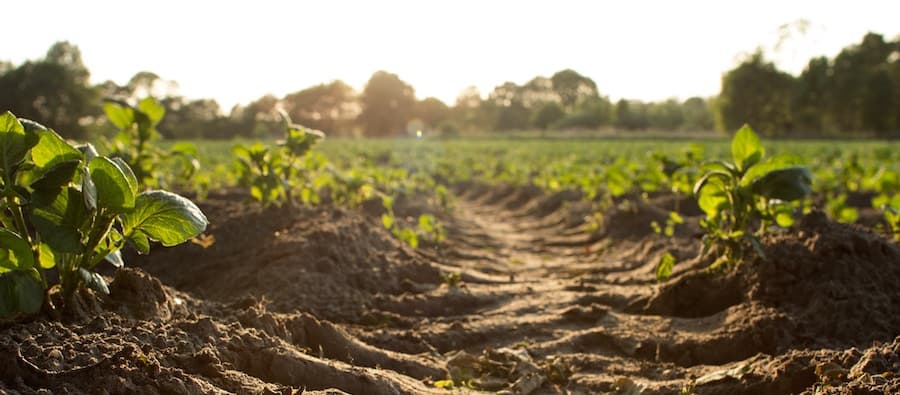
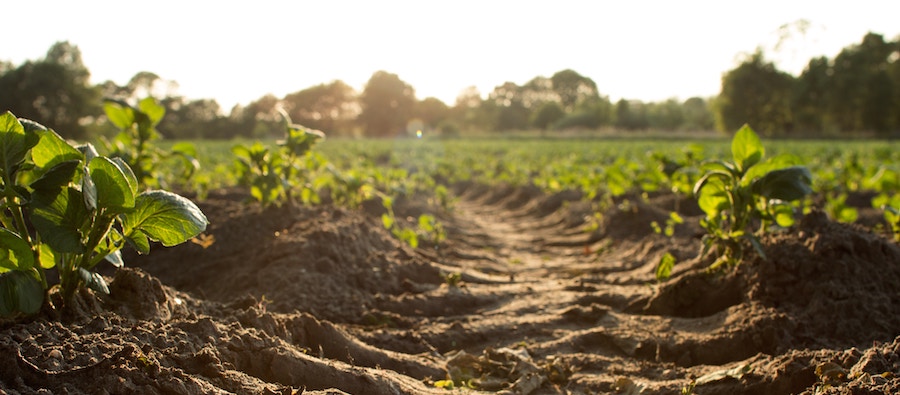
Sustainable agriculture begins with the soil. Healthy soil is more than just a growing medium—it is a living ecosystem filled with microorganisms, organic matter, and nutrients that support plant growth. When farmers prioritize soil health through practices like crop rotation, cover cropping, compost application, and reduced tillage, they improve fertility, enhance water retention, and reduce erosion. Strong soil forms the foundation of resilient and productive farming systems.
INTEGRATION IN SUSTAINABLE FARMING
However, sustainability goes beyond the soil. It involves building integrated systems that connect crops, livestock, water management, biodiversity, and technology. For example, integrating livestock with crop farming allows manure to be recycled as organic fertilizer, reducing dependence on chemical inputs. Agroforestry systems, where trees are grown alongside crops, help improve soil structure, provide shade, and increase farm income diversity. These interconnected systems create balance and long-term stability.
WATER MANAGEMENT IN AGRICULTURE: EFFICIENT IRRIGATION & CONSERVATION
Water management is another key component of sustainable agriculture. Efficient irrigation techniques such as drip and sprinkler systems minimize water waste and ensure optimal crop growth. Rainwater harvesting and watershed management further strengthen farm resilience, especially in regions facing climate variability. Sustainable systems focus on conserving natural resources while maintaining productivity.
SMART FARMING: ROLE OF TECHNOLOGY IN SUSTAINABLE AGRICULTURE
Technology also plays a crucial role in building sustainable agricultural systems. Precision farming tools, soil testing, satellite monitoring and digital advisory services enable farmers to make informed decisions. By applying inputs like fertilizers and pesticides only where needed, farmers can reduce costs and environmental impact. Modern innovations, combined with traditional knowledge, create smarter and more efficient farming models.
BUILDING SUSTAINABLE AGRICULTURE SYSTEMS FOR THE FUTURE
At the heart of sustainable agriculture lies the goal of balancing economic viability, environmental protection and social responsibility. Farmers must earn stable incomes while protecting natural resources for future generations. When agriculture moves “from soil to systems,” it shifts from short-term production goals to long-term sustainability. By strengthening soil health, integrating farm components, conserving resources, and adopting innovation, we can build agricultural systems that nourish both people and the planet.




