
Industry News 150
Published on 07-04-2026
Bridging the Gap Between Agricultural Research and Farm-Level Impact in India
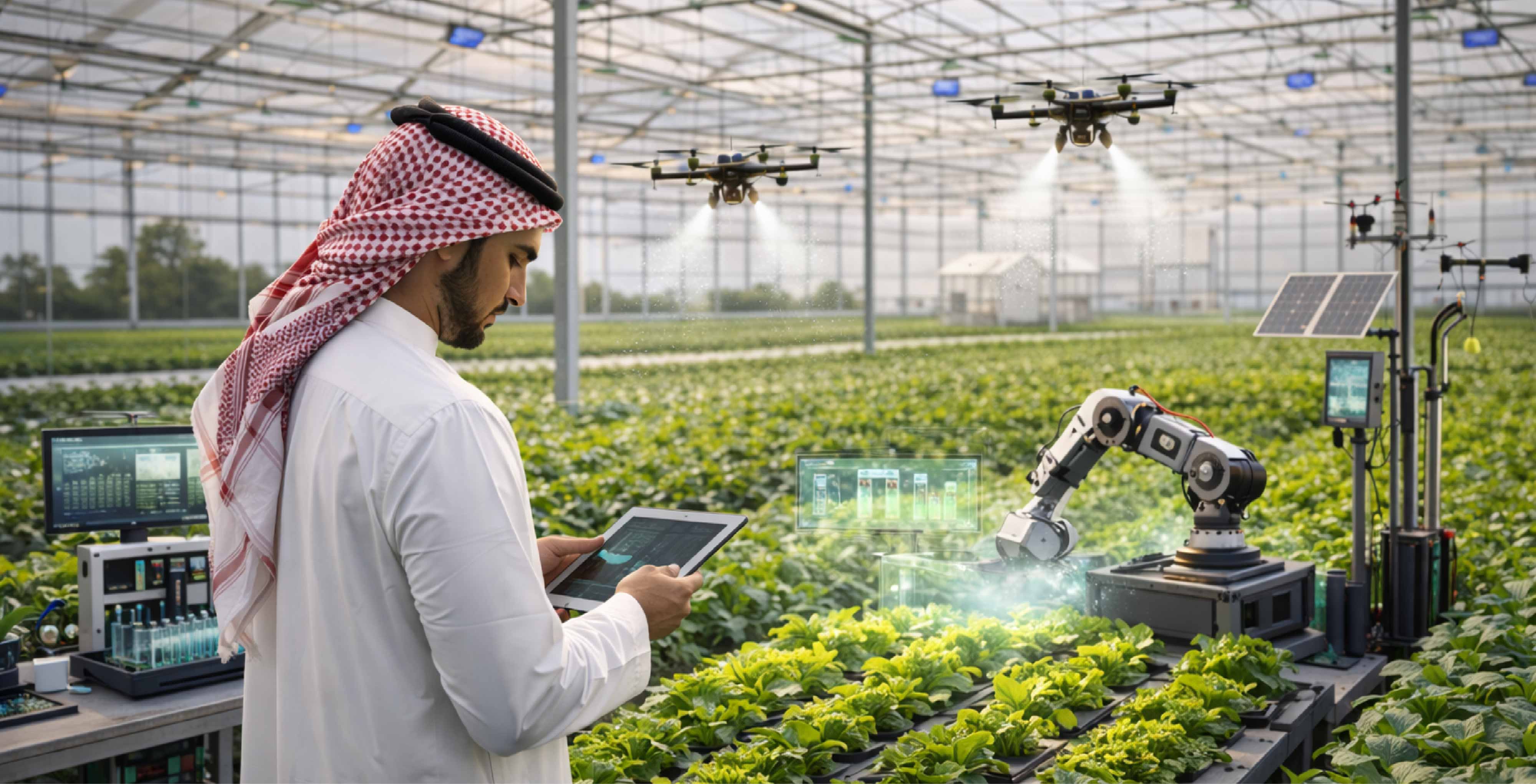
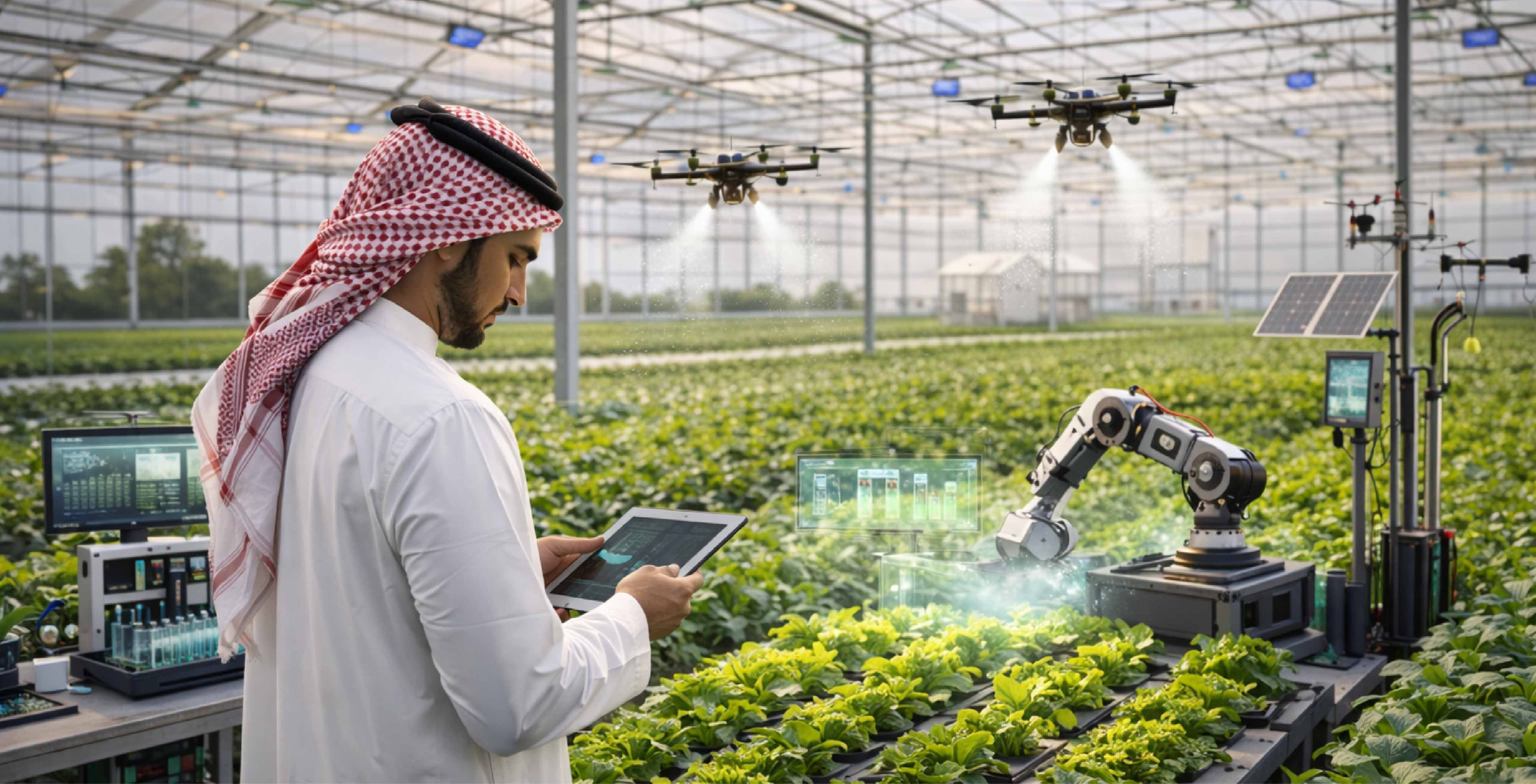
INDIA’S AGRICULTURAL RESEARCH AT A TURNING POINT
India has built one of the world’s most extensive agricultural research ecosystems—spanning national institutions, agricultural universities, and global collaborations. This foundation has enabled consistent growth in research output across crop science, animal health, soil systems, and agri-economics.
At the same time, the focus of the sector is evolving.
The conversation is no longer limited to how much research is being produced, but increasingly to how effectively that research translates into farm-level outcomes. As agriculture faces complex challenges—from climate variability to resource efficiency—the ability to connect research with real-world application becomes critical. A Strong Research Ecosystem with Expanding Reach India’s agricultural research landscape is supported by a wide institutional network, including the Indian Council of Agricultural Research (ICAR), agricultural universities, and allied research bodies.
With over 85% of farmers classified as small and marginal (Agriculture Census, Government of India), the relevance of research lies in its ability to address highly localized and diverse farming conditions.
This makes India’s context unique:
Research must not only be robust—but also adaptable, accessible, and scalable across varied environments.
At the same time, the focus of the sector is evolving.
The conversation is no longer limited to how much research is being produced, but increasingly to how effectively that research translates into farm-level outcomes. As agriculture faces complex challenges—from climate variability to resource efficiency—the ability to connect research with real-world application becomes critical. A Strong Research Ecosystem with Expanding Reach India’s agricultural research landscape is supported by a wide institutional network, including the Indian Council of Agricultural Research (ICAR), agricultural universities, and allied research bodies.
With over 85% of farmers classified as small and marginal (Agriculture Census, Government of India), the relevance of research lies in its ability to address highly localized and diverse farming conditions.
This makes India’s context unique:
Research must not only be robust—but also adaptable, accessible, and scalable across varied environments.
DISCOVER HOW AGRICULTURAL RESEARCH IS EVOLVING FROM KNOWLEDGE CREATION TO REAL-WORLD APPLICATION, IMPROVING PRODUCTIVITY THROUGH BETTER COMMUNICATION AND DISSEMINATION.
From Knowledge Creation to Knowledge Application
Globally, agricultural systems are moving toward a more integrated approach—where research is closely linked with implementation, advisory systems, and policy frameworks.
In India, this transition is actively evolving.
Studies from organizations such as the World Bank and FAO highlight that improving knowledge dissemination and extension systems can significantly enhance productivity and adoption of innovations.
This underscores an important shift:
Research impact today is defined not just by publication, but by its usability in real-world conditions.
The Role of Communication in Expanding Research Impact
One of the most important enablers of this transition is how research is communicated.
Traditionally, research outputs have been designed for academic validation. However, as the ecosystem expands, there is growing emphasis on:
- Simplified interpretation of findings
- Contextual relevance for practitioners
- Multi-format dissemination (digital, visual, regional)
Global research suggests that clear and contextual communication significantly improves engagement and adoption of scientific knowledge.
In agriculture, where decisions are often time-sensitive and resource-dependent, clarity becomes a key driver of impact.
EXPLORE HOW DIGITAL ADVISORY PLATFORMS, MOBILE TOOLS, AND COLLABORATIONS ARE STRENGTHENING LAST-MILE AGRICULTURAL ECOSYSTEMS AND IMPROVING FARM-LEVEL OUTCOMES.
Strengthening the Last-Mile Ecosystem
India has made consistent progress in strengthening agricultural extension and advisory systems, supported by both public and private initiatives.
However, given the scale and diversity of the farming population, this remains an area of ongoing development.
Emerging approaches are helping bridge this gap:
- Digital advisory platforms
- Mobile-based knowledge dissemination
- Localized extension networks
- Public-private collaboration models
These systems play a crucial role in ensuring that research insights are translated into actionable practices at the field level.
Collaboration as the Next Growth Driver
Collaboration as the Next Growth Driver
Modern agricultural challenges are interconnected—spanning environment, health, technology, and economics.
As a result, the future of agricultural research lies in greater collaboration across domains:
- Academia and industry
- Research and policy
- National and global institutions
Frameworks such as the One Health approach and global research platforms highlight the value of integrated thinking in addressing complex agricultural challenges.
DISCOVER HOW RESEARCH PLATFORMS ARE EVOLVING BEYOND PUBLISHING TO ENABLE COLLABORATION, ACCESSIBILITY, AND REAL-WORLD AGRICULTURAL IMPACT.
The Evolving Role of Research Platforms
As the ecosystem matures, the role of research platforms is also expanding.
Beyond publishing, there is a growing opportunity to:
- Enhance discoverability of research
- Enable interdisciplinary exchange
- Translate insights into accessible formats
- Support dialogue across stakeholders
This evolution reflects a broader shift—from knowledge repositories to knowledge enablers.
Looking Ahead: Toward Impact-Driven Research
India’s agricultural research ecosystem is well-positioned for its next phase of growth.
Key focus areas going forward include:
- Greater alignment between research and field needs
- Strengthened knowledge dissemination systems
- Increased collaboration across sectors
- Continued emphasis on sustainability and resilience
As highlighted by global institutions such as the FAO, bridging the gap between research and practice has the potential to significantly improve productivity, sustainability, and farmer outcomes.
ADVANCING IMPACT IN INDIA’S AGRICULTURAL RESEARCH
Agricultural research in India has both scale and depth. The opportunity ahead lies in amplifying its reach and impact.
As the ecosystem continues to evolve, the emphasis is steadily shifting toward making research more accessible, actionable, and connected to real-world needs.
In this transition, the true value of research will be measured not only by what is discovered—but by what is applied, adopted, and sustained in the field.
FAQs
Why is there a gap between agricultural research and farm-level adoption?
Research findings often take time to reach farmers due to challenges related to extension services, awareness, accessibility, and local adaptation.
How can agricultural research benefit farmers directly?
What role do agricultural extension services play?
Why is farmer participation important in agricultural innovation?
How can digital technologies support knowledge transfer in agriculture?
What are the benefits of strengthening research-farmer collaboration?




