
Industry News 24
Published on 22-01-2026
Animal Welfare Standards and Their Impact on Productivity
ANIMAL WELFARE STANDARDS AND FARM PRODUCTIVITY
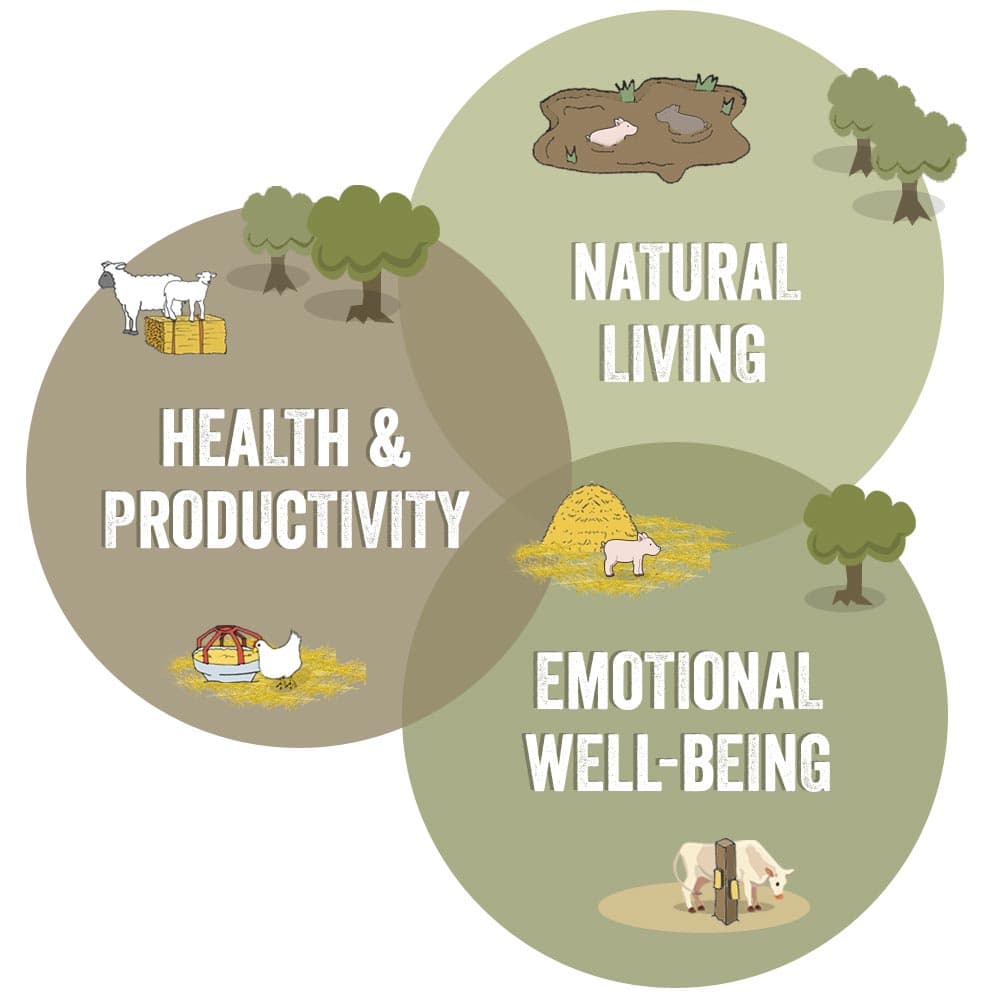
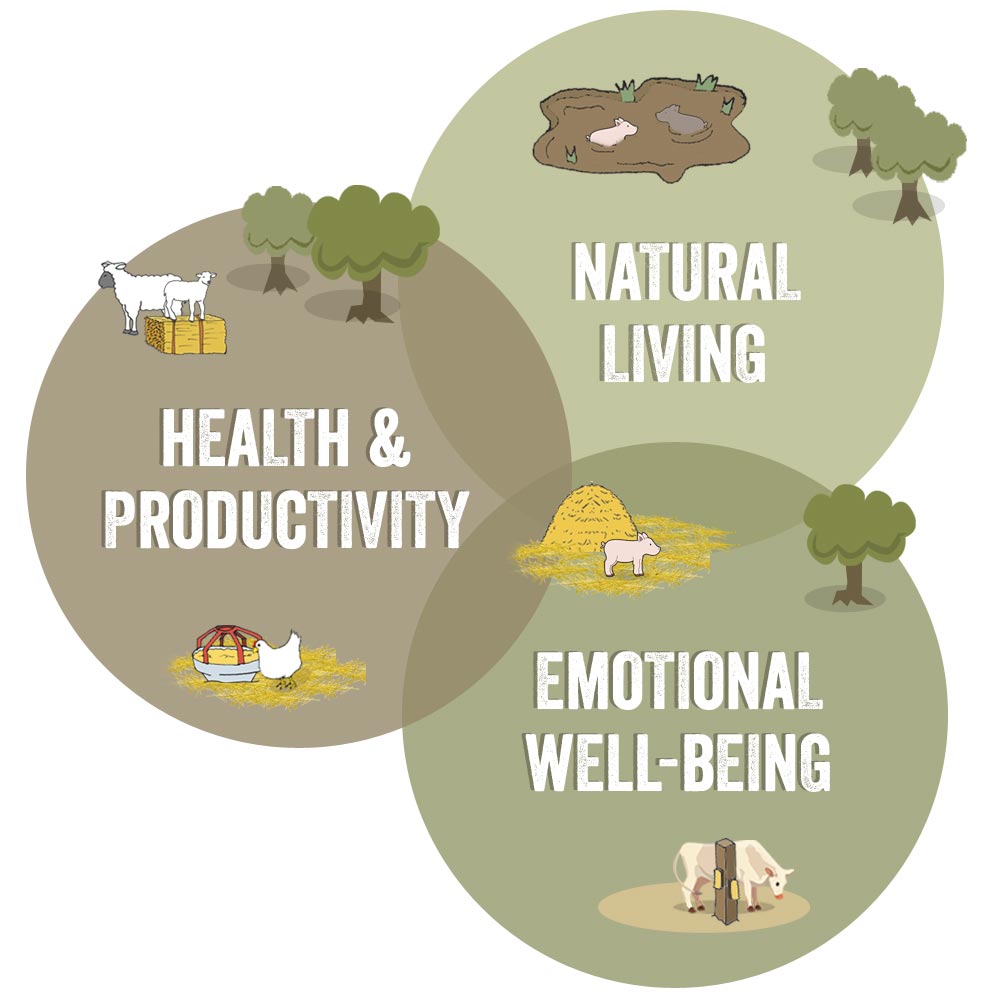
Animal welfare standards focus on ensuring that animals are healthy, comfortable, well-nourished, and free from unnecessary stress. These standards include proper housing, adequate space, balanced nutrition, access to clean water, humane handling, and timely veterinary care. Welfare is no longer viewed only as an ethical responsibility but as a key factor influencing farm performance and sustainability.
WHY ANIMAL WELFARE MATTERS IN LIVESTOCK FARMING
Well-managed welfare conditions have a direct positive impact on productivity. Animals raised in low-stress environments show better growth rates, higher milk yield, improved reproductive performance, and stronger immunity. Reduced stress lowers the incidence of diseases, injuries, and mortality, leading to fewer production losses and lower treatment costs.
ANIMAL WELFARE AND ITS IMPACT ON PRODUCT QUALITY
Animal welfare also plays a significant role in product quality. Stress-free animals produce better-quality milk, meat, and eggs, with improved shelf life and safety. In meat production, proper handling and transport reduce bruising and meat defects, while good welfare in dairy animals supports consistent milk composition and yield.
BENEFITS OF ANIMAL WELFARE FOR SUSTAINABLE FARMING
From an economic perspective, adopting welfare standards improves farm efficiency and market access. Although initial investments may be required, long-term benefits include higher productivity, reduced veterinary expenses, and compliance with national and international regulations. Growing consumer awareness and demand for ethically produced animal products further enhance the value of welfare-certified systems.
ETHICAL LIVESTOCK FARMING: ANIMAL WELFARE AND EFFICIENCY
In the long run, animal welfare standards support sustainable livestock production, balancing ethical responsibility with economic viability. Farms that prioritize animal well-being are better positioned to achieve higher productivity, resilience, and public trust in modern livestock systems.




