
Industry News 23
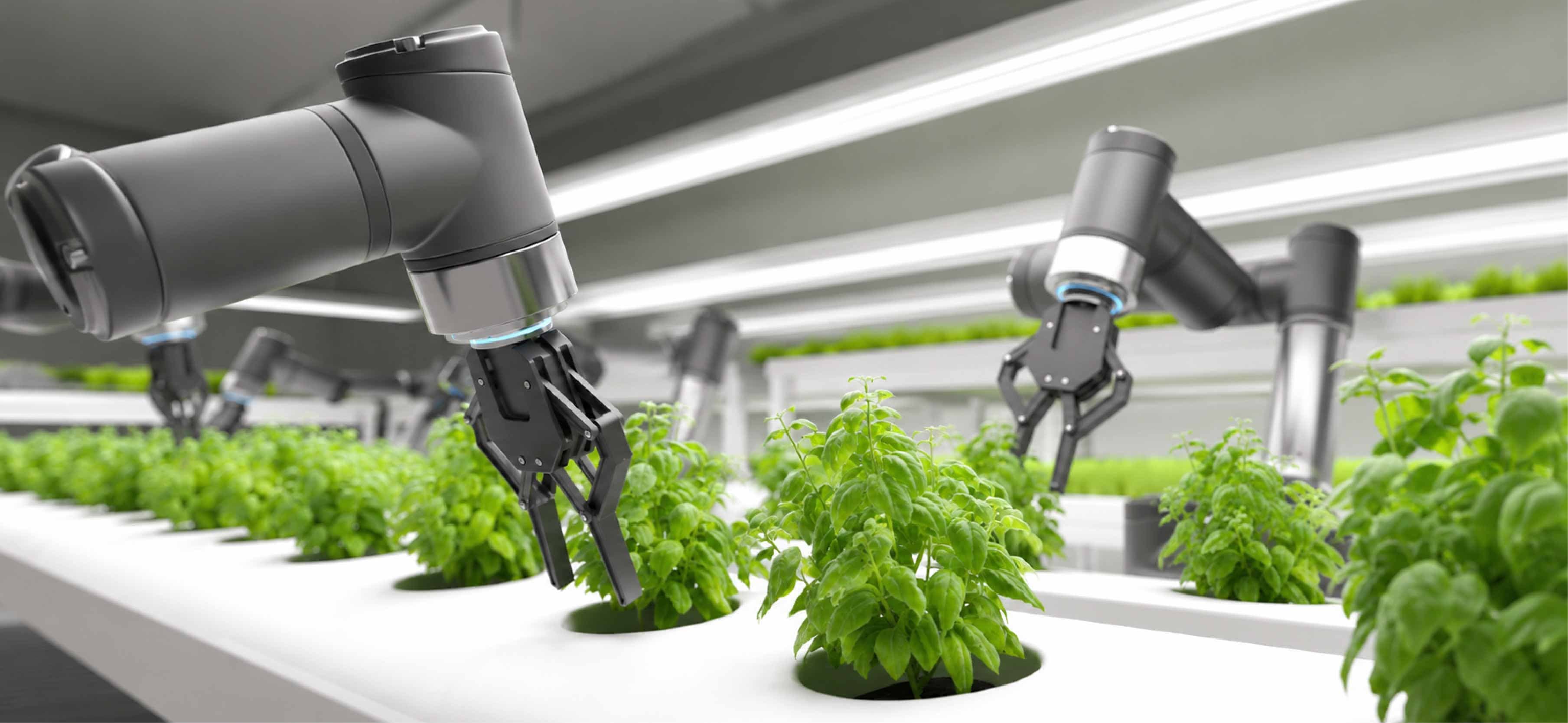
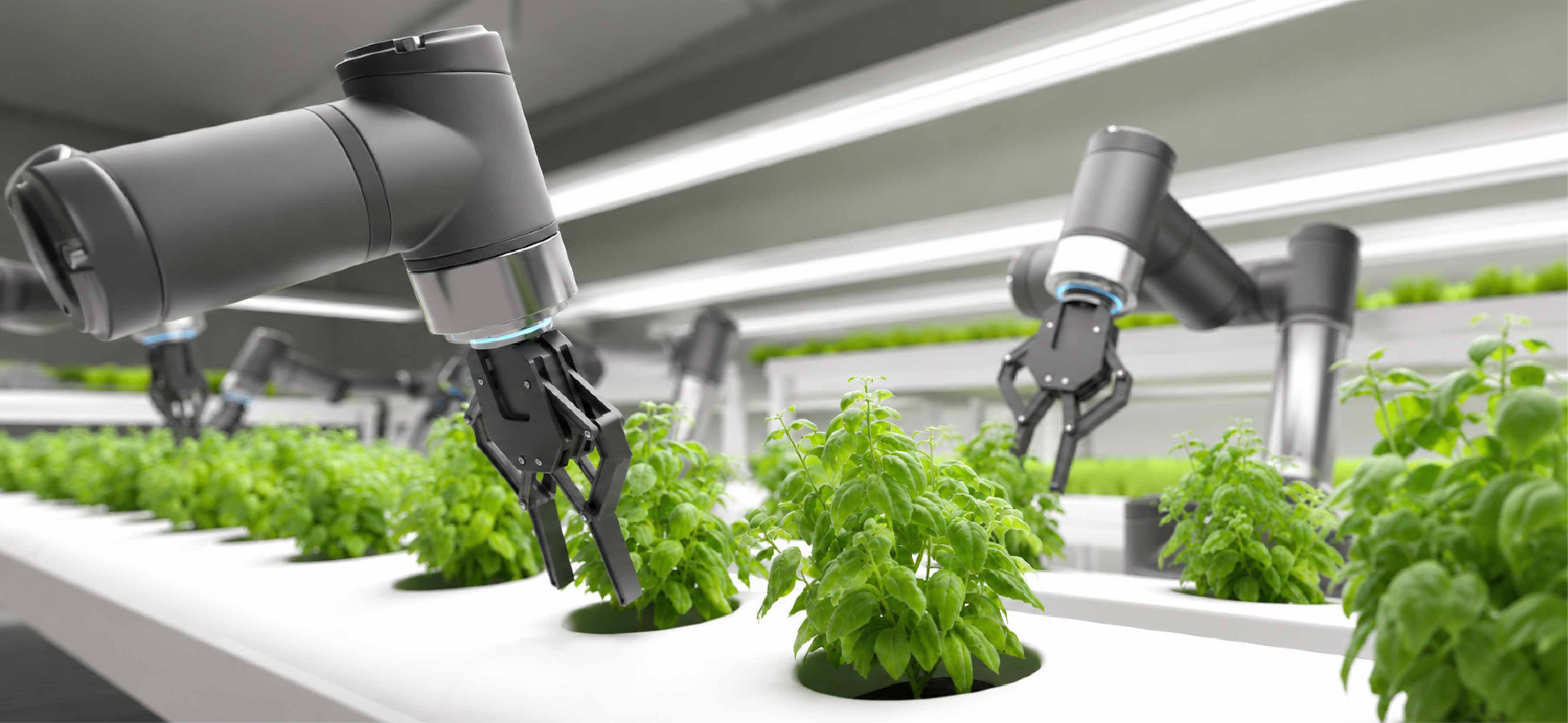
Agriculture Is Entering the Era of Intelligent Infrastructure: How AI and Digital Systems Are Reshaping Global Food Production
RESHAPING GLOBAL FOOD PRODUCTION
More land. More machinery. More irrigation systems. More storage facilities.
Today, a new transformation is underway.
Agriculture is increasingly being shaped not only by physical assets but by intelligent infrastructure—an ecosystem of interconnected technologies, predictive systems, artificial intelligence, sensors, satellite intelligence, and data-driven decision-making tools that are fundamentally changing how food is produced.
As global agriculture faces mounting challenges from climate change, resource constraints, population growth, and food security pressures, intelligent agriculture is emerging as one of the most significant developments shaping the future of farming.
The question is no longer whether agriculture will become digital.
The question is how quickly intelligent systems will become central to agricultural resilience and sustainability.
WHAT IS INTELLIGENT AGRICULTURE?
Unlike traditional mechanization, which primarily improves operational efficiency, intelligent agriculture focuses on enhancing decision-making.
This includes:
- Artificial Intelligence (AI)
- Machine Learning
- Internet of Things (IoT) devices
- Satellite monitoring
- Remote sensing technologies
- Precision agriculture systems
- Predictive analytics platforms
- Automated farm management tools
Instead of reacting to challenges after they occur, farmers and agricultural managers can increasingly anticipate and prevent problems before they impact productivity.
THE SHIFT FROM REACTIVE FARMING TO PREDICTIVE AGRICULTURE
Historically, many agricultural decisions have relied on observation, experience, and historical patterns. While these remain valuable, modern agricultural systems now have access to unprecedented amounts of real-time information.
Predictive agriculture enables producers to:
- Forecast crop diseases before outbreaks occur.
- Monitor soil conditions continuously.
- Predict irrigation requirements more accurately.
- Anticipate weather-related risks.
- Optimize fertilizer application.
- Improve resource allocation.
ARTIFICIAL INTELLIGENCE IS BECOMING A CORE AGRICULTURAL TOOL
AI-powered platforms can process vast amounts of agricultural data and identify patterns that would be difficult for humans to detect manually.
Examples include:
Crop Health Monitoring
AI systems can analyze satellite imagery and drone data to identify signs of crop stress, nutrient deficiencies, pest infestations, and disease outbreaks.
Yield Prediction
Machine learning models can combine weather patterns, soil data, historical production records, and crop performance metrics to forecast yields with increasing accuracy.
Resource Optimization
AI-driven recommendations help optimize water usage, fertilizer application, and pest management practices, supporting both productivity and environmental sustainability.
Farm Decision Support Systems
Advanced agricultural platforms are providing farmers with real-time recommendations that support informed decision-making throughout the production cycle.
DATA IS BECOMING AGRICULTURE'S MOST VALUABLE RESOURCE
Sensors embedded in fields, drones flying over crops, satellites monitoring vegetation, and automated machinery continuously collect information that can be transformed into actionable intelligence.
This data-driven approach enables:
- Improved productivity
- Reduced input costs
- Better environmental management
- Enhanced risk mitigation
- More efficient resource utilization
INTELLIGENT AGRICULTURE AND CLIMATE RESILIENCE
Rising temperatures, changing rainfall patterns, extreme weather events, and shifting pest dynamics are creating new uncertainties for agricultural systems worldwide.
Intelligent agriculture offers several pathways to strengthen climate resilience.
By integrating weather forecasting tools, predictive analytics, remote sensing technologies, and decision-support systems, farmers can adapt more effectively to changing environmental conditions.
Examples include:
- Early drought detection.
- Precision irrigation management.
- Climate risk forecasting.
- Adaptive crop management strategies.
- Improved disaster preparedness.
THE GROWING ROLE OF CONNECTED AGRICULTURAL ECOSYSTEMS
Instead, it will be shaped by connected ecosystems where multiple technologies work together.
In these environments:
- Sensors collect field-level data.
- AI systems analyze information.
- Satellites provide regional insights.
- Decision-support platforms generate recommendations.
- Farmers implement data-informed actions.
As agricultural ecosystems become more intelligent, their capacity to address complex challenges increases significantly
CHALLENGES THAT MUST STILL BE ADDRESSED
Several barriers continue to influence adoption rates:
Digital Infrastructure Gaps
Access to reliable internet connectivity remains limited in many rural regions.
Technology Costs
Initial investment requirements can be substantial, particularly for smallholder producers.
Data Governance
Questions surrounding data ownership, privacy, security, and interoperability require ongoing attention.
Skills Development
Successful implementation depends on training, education, and capacity-building initiatives.
Addressing these challenges will be essential to ensuring that intelligent agriculture remains inclusive and accessible.
THE FUTURE OF FARMING IS BECOMING INCREASINGLY INTELLIGENT
The convergence of artificial intelligence, predictive systems, connected technologies, and advanced analytics is creating new opportunities to improve productivity, sustainability, and resilience across global food systems.
While physical infrastructure will always remain important, the next generation of agricultural progress will increasingly depend on intelligent infrastructure—systems capable of generating insights, supporting decisions, and adapting to rapidly changing conditions.
As global food demand continues to rise and environmental pressures intensify, intelligent agriculture may become one of the most important foundations for ensuring sustainable food production in the decades ahead.
CONCLUSION
It will be built through intelligence.
By combining scientific research, digital technologies, predictive systems, and data-driven innovation, agriculture is evolving into a more connected, adaptive, and resilient sector.
The transition has already begun.
The era of intelligent infrastructure is no longer a future concept—it is becoming a defining feature of modern agriculture.




