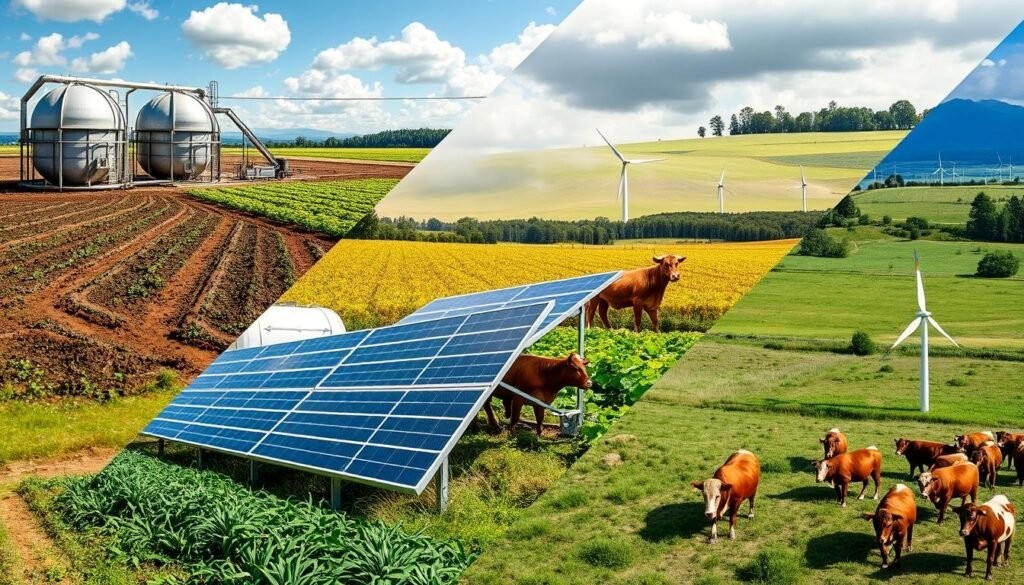
Renewable energy is playing an increasingly important role in modern agriculture as farmers seek sustainable and affordable energy solutions. Traditional energy sources such as diesel and electricity are becoming more expensive and contribute to environmental pollution. Renewable energy helps farms reduce operating costs, increase energy independence, and support environmentally friendly farming practices. Among the most effective renewable energy options for agriculture are biogas and solar energy.
Biogas is produced by breaking down organic materials such as animal manure, crop residues, and farm waste in a biogas plant. This process generates methane-rich gas that can be used for cooking, heating, and electricity generation. Biogas systems are especially beneficial for livestock farms, as they turn waste into valuable energy while improving farm hygiene. The leftover slurry from biogas plants is a high-quality organic fertilizer that enhances soil fertility and reduces dependence on chemical fertilizers.
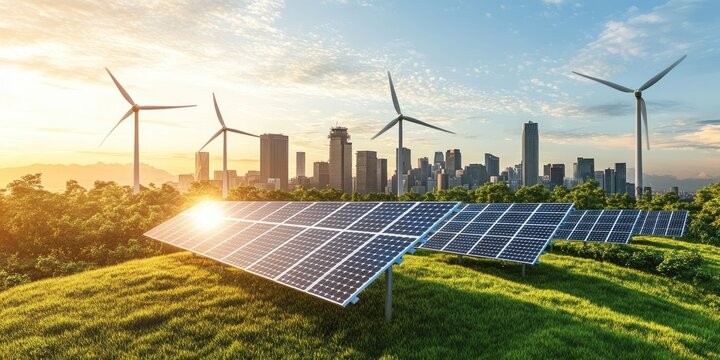
Solar energy is widely used on farms due to its availability and versatility. Solar panels can power irrigation pumps, lighting systems, electric fences, and storage facilities. Solar-powered irrigation systems are particularly useful in remote and off-grid areas, providing a reliable water supply without fuel costs. Although the initial installation cost may be high, solar systems have low maintenance needs and provide long-term economic benefits.
The use of renewable energy on farms also helps reduce greenhouse gas emissions and promotes sustainable agriculture. By combining biogas and solar energy, farms can meet multiple energy needs while minimizing environmental impact. Adopting renewable energy not only improves farm efficiency and profitability but also supports a cleaner and more resilient agricultural future.