How to Reduce Livestock Stress and Improve Productivity
Description
Reducing livestock stress and improve productivity is a major concern for farmers aiming to boost growth, reproduction, and overall farm efficiency. Stress affects animals both physically and mentally, leading to poor performance and higher disease risks. Understanding the causes and applying proper management practices can significantly improve productivity.
Understanding Livestock Stress: Understanding livestock stress begins with recognizing the common stressors animals face—such as poor nutrition, extreme temperatures, overcrowding, rough handling, transportation, noise, and disease. When these stressors persist, animals show reduced feed intake, slower growth, weaker immunity, and lower production.
Ensure High-Quality Nutrition: Ensure high-quality nutrition by providing a balanced diet rich in energy, protein, minerals, vitamins, and fresh water. Sudden dietary changes should be avoided because they can cause digestive problems and stress, ultimately reducing productivity.
Practice Low-Stress Handling: Practice low-stress handling by moving animals calmly, avoiding shouting or hitting, and using well-designed handling facilities. Proper training for workers and gentle handling techniques help animals feel safe, reducing fear and injuries.
Maintain High Hygiene and Health Standards: Maintain high hygiene and health standards to prevent diseases that cause stress. Regular cleaning of sheds, timely vaccinations, deworming, and routine health checks help animals stay healthy and perform better.
Reduce Environmental Stress: Reduce environmental stress by controlling noise, improving lighting, and providing enrichment such as perches, toys, or scratch posts depending on the species. A peaceful environment helps animals remain relaxed and productive.
Adopt Technologies for Stress Reduction: Adopt technologies for stress reduction like automated feeders, climate-controlled barns, and health-tracking devices. These tools help maintain ideal living conditions and allow farmers to respond quickly to changes.
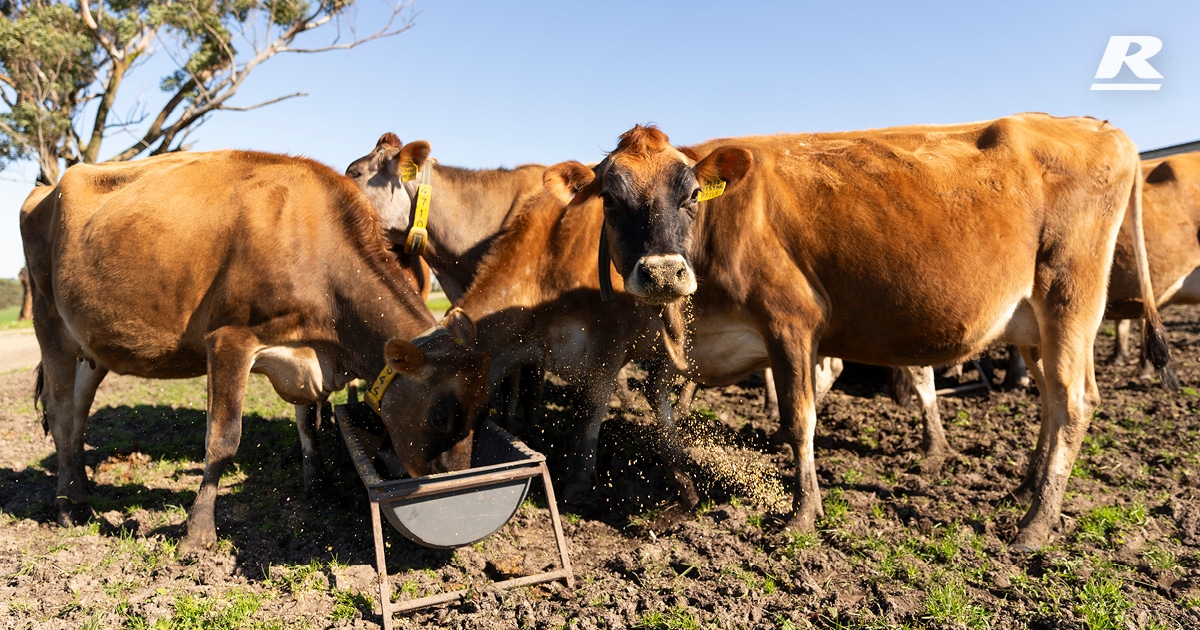
Figure1: Livestock Stress
Conclusion
Reducing livestock stress is essential for better productivity, improved animal welfare, and long-term farm success. By improving housing, nutrition, handling, health care, and environmental conditions, farmers can create a calm environment where animals thrive.