Entering the Era of Food Transparency: What You Need to Know about EU’s Greenwashing Directive?
Description
Many companies make green, organic or sustainable claims about their food products, but rarely is there any clear, credible, or verifiable information to justify them. In response, the European Union is leading the shift in setting the rules on sustainability claims with theDirective Empowering Consumers for the Green Transition through Better Protection against Unfair Practices and Better Information (“Greenwashing Directive”).
This new directive aims to make product labeling clearer and more trustworthy by banning the use of general environmental claims without proof, as well as to empower consumers to make informed purchases using reliable information about products and traders.
Many food and retail companies producing or delivering food to the markets will soon be obliged to transparently communicate their sustainability, environmental, and social or ethical efforts.
Greenwashing Directive Targets Misleading Product Labels and Green Buzzwords:
Today’s society is becoming more aware of the importance of protecting the environment due to climate change. At the same time, consumers are becoming more and more conscious of the food they are buying, making healthy and sustainable eating their top priority. This has been capitalized by large corporations who advertise their products as ‘eco-friendly’ or ‘organic’ to influence the consumer to buy their products.
Unfortunately, many of these claims are unsupported or simply false. Namely, a recent study by the European Commission found that more than half of green claims by companies in the EU were vague or misleading, and 40% were completely unsubstantiated.
In the absence of harmonization or regulation, companies have essentially had free reign to advertise their products as they please, without any negative consequences. The new EU directive aims to harmonize this area of law to protect consumers from misleading marketing practices and help them make better purchasing choices.
The Greenwashing Directive will come into effect at the EU level, and each Member State must implement the relevant elements within the two-year period.
Increasing Food Production Transparency to Customers with QR Codes:
According to the Directive, companies will have to present evidence to support their green claims as being legitimate. Moreover, companies will need to verify the accuracy of claims made by reviewing them at least every five years.
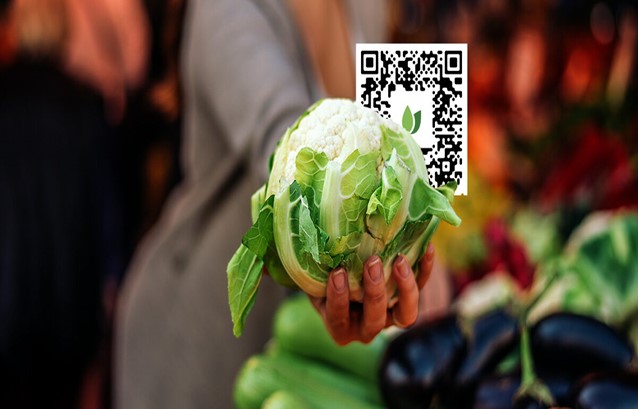
That information must be accessible to consumers in a physical form or via a weblink, QR code, or equivalent.
Increasing Food Production Transparency to Customers with QR Codes
This is where technology comes in as a solution.
It showcases transparency of the food production process, giving information to the consumer that the products come from reliable sources and are safe for consumption.
It provides reliability in the information about the origin, quality, and safety of the purchased products.
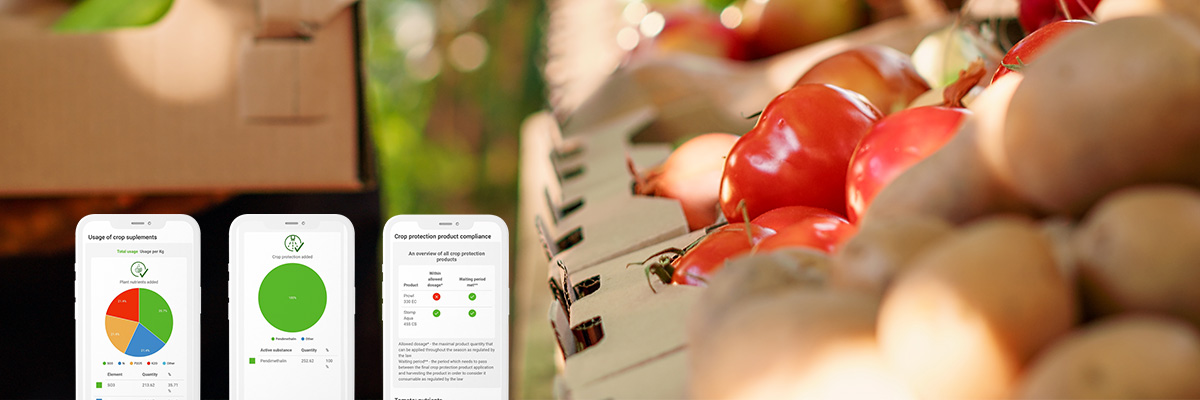
It brings insight into the practices and care of the crops, as well as used crop protection products and other substances.
It increases the value of food products.
It increases trust in the product and loyalty to the brand.